By Bilkis Abdulraheem Lawal
Muslims have been urged to ensure that their use of social media reflects their faith and moral values, balancing modern connectivity with the preservation of religion, intellect and honour.
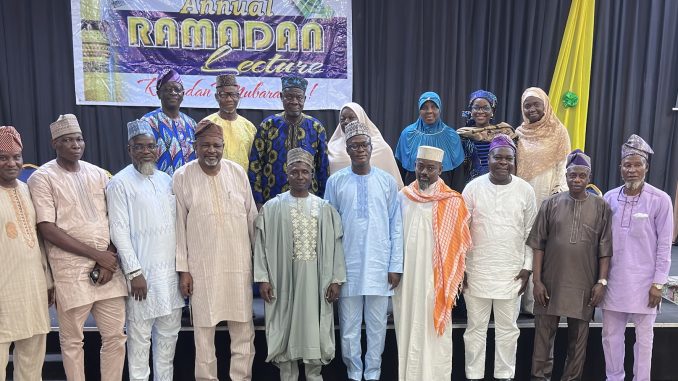
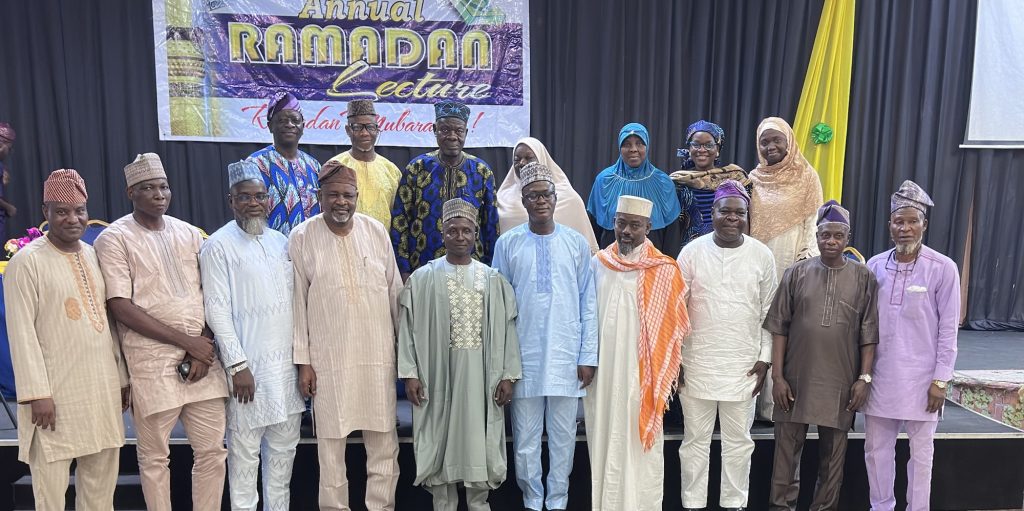
A lecturer in the Department of Biological Sciences at Fountain University, Oshogbo, Osun State, Dr Lateef Busari, made this call while delivering a lecture at the annual Ramadan programme organised by the Muslim community of West African Examinations Council (WAEC Nigeria) in Ogba, Lagos.
Speaking on the topic “Social Media Utilisation in Contemporary Times: A Critical Discourse from an Islamic Perspective,” Dr Busari noted that while social media platforms are essential tools for communication in the modern age, their usage must be guided by clear Islamic jurisprudential principles.
He explained that Muslims must remain conscious that every action, including digital interactions, is being recorded and will be accounted for on the Day of Judgement.
According to him, social media engagement should align with the preservation of religion, life, intellect, honour and wealth, adding that it must not be used to spread misinformation, promote indecency or cause social harm.
Also speaking at the lecture, the Chief Clinical Coordinator at the Cancer Centre of the Lagos University Teaching Hospital, Dr Habeeb Mohammed, highlighted the growing burden of prostate and cervical cancers in Nigeria.
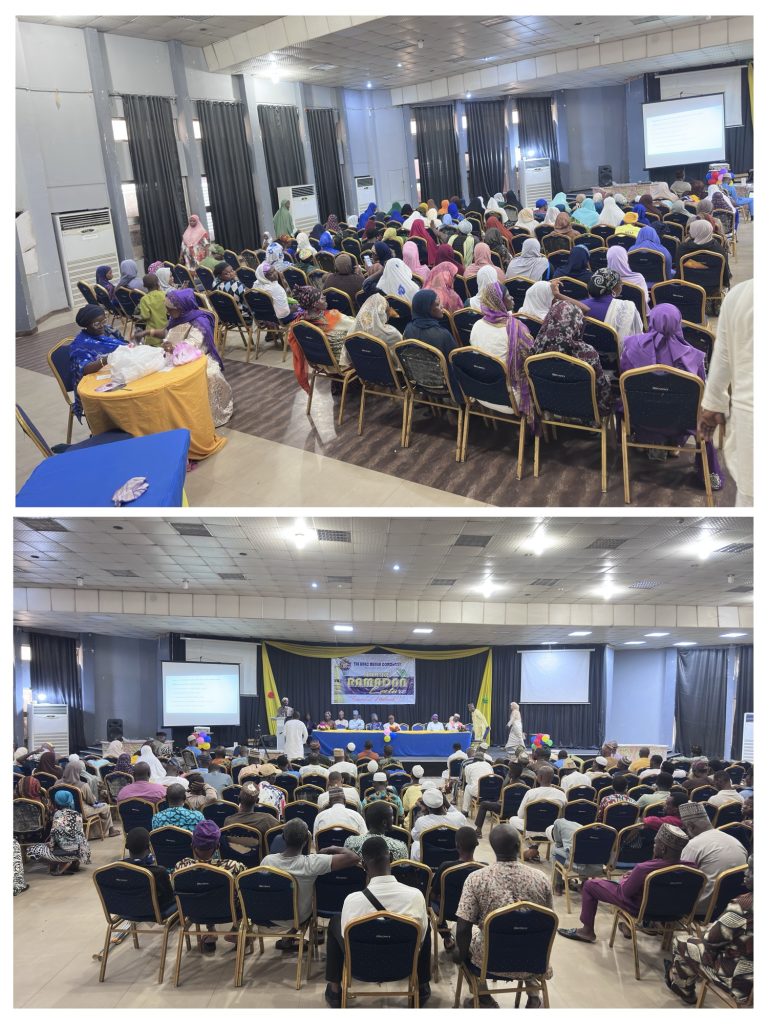
Delivering a lecture titled “Causes, Prevention and Treatment of Prostate and Cervical Cancer,” Dr Mohammed disclosed that about 18,000 new cases of prostate cancer are recorded annually in Nigeria, with approximately 12,000 deaths each year.
He identified sedentary lifestyle, genetics, obesity and ageing among the major risk factors.
On cervical cancer, Dr Mohammed explained that it is the second most common cancer among Nigerian women, with about 15,000 new cases and 10,000 deaths annually. He attributed the disease largely to infection with the Human Papillomavirus (HPV), as well as alcohol consumption, early sexual activity, smoking and having multiple sexual partners among other causes.
He noted that cervical cancer can be effectively prevented through the vaccination of adolescent girls.
Dr Mohammed stressed that awareness, regular screening and early detection remain critical to improving survival rates.
He called on relevant authorities to intensify public sensitisation campaigns and establish additional cancer treatment centres across the country.
According to him, Nigeria currently has fewer than twenty well-equipped cancer centres, adding that while 92 per cent of patients survive beyond five years when cervical cancer is detected early, only about 17 per cent survive when diagnosis occurs at a later stage.
In her remarks, the Chairman of the Ramadan Lecture Planning Committee and Deputy Director of Finance (Expenditure) at WAEC Nigeria, Alhaja Sideqah Malik, said the choice of topics was deliberate.
She explained that the lecture on social media was necessary due to the increasing influence of digital platforms in modern society, while the cancer awareness session was important because the disease remains a major cause of death in Nigeria.
Alhaja Malik also noted that a health screening corner was provided at the event to encourage early detection of health conditions.
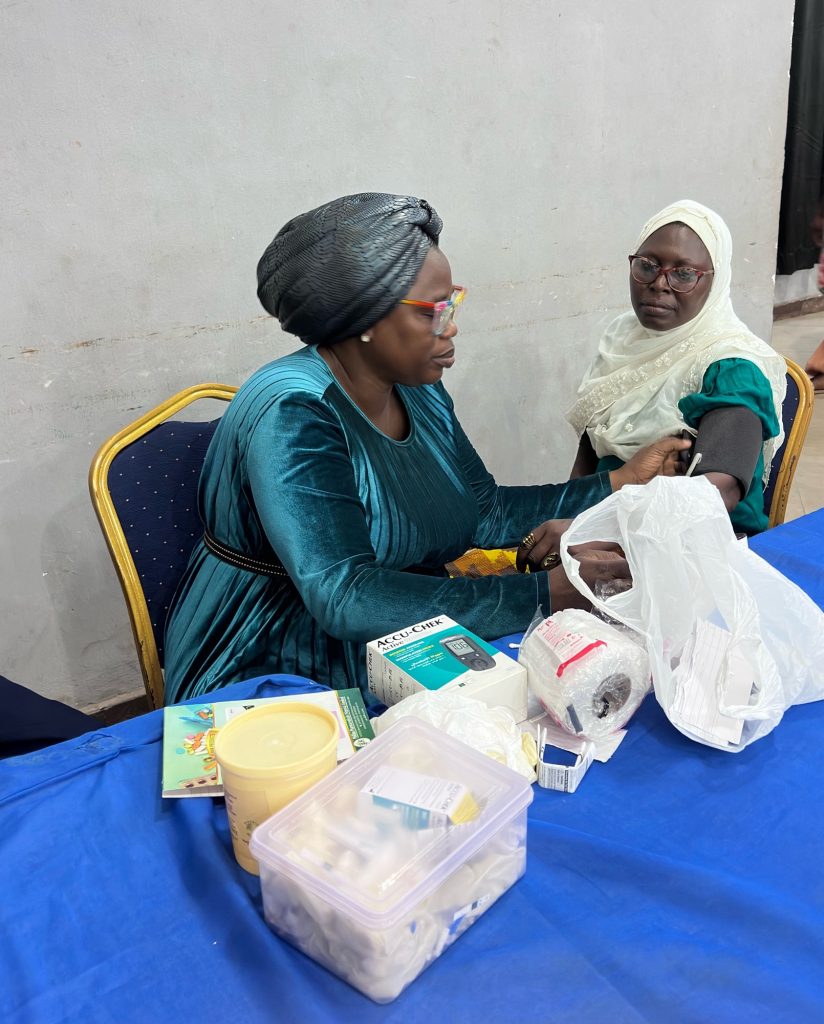
She said health professionals were present to check participants’ vital signs, administer basic medications where necessary and refer individuals to hospitals for further medical attention.
The event also featured the presentation of awards to distinguished guests and members of the management team, including the Head of National Office of WAEC Nigeria, Dr Amos Josiah, in recognition of his continued support for the Muslim community.
Leave a Reply