‘Nigeria Has No Confirmed Ebola Case, But Preparedness Must Begin Before the First Case Is Detected’ — NCDC DG
By Bilkis Abdulraheem Lawal
The Nigeria Centre for Disease Control and Prevention (NCDC) has intensified nationwide preparedness measures to prevent the importation of Ebola Virus Disease (EVD) into the country following the ongoing outbreak in the Democratic Republic of Congo (DRC).
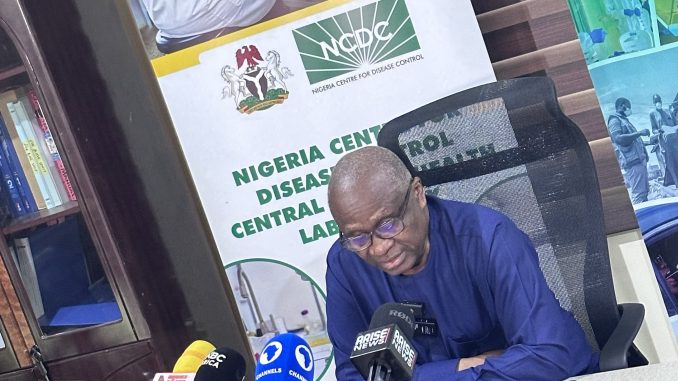
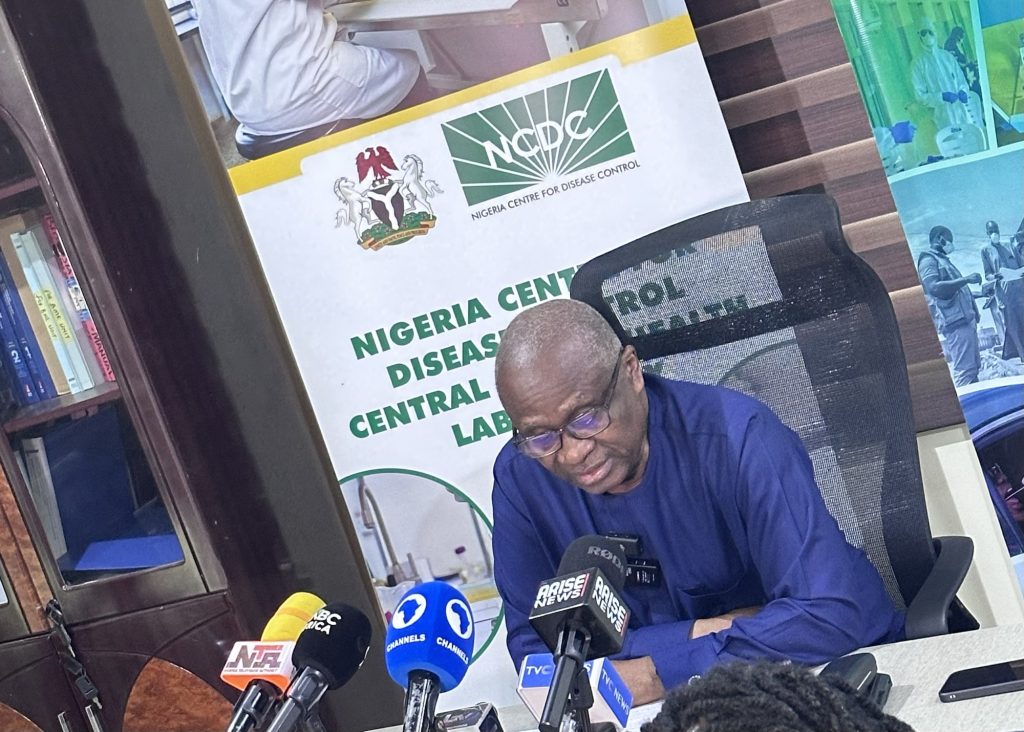
Speaking at a press briefing in Lagos, NCDC Director-General, Dr. Jide Idris, said Nigeria currently has no confirmed Ebola case but is taking proactive steps to strengthen surveillance, emergency response and public health preparedness.
“The seriousness of the current outbreak is reflected in the declaration of a Public Health Emergency of International Concern by the World Health Organization and a Public Health Emergency of Continental Security by Africa CDC,” he said.
Idris said the agency had completed a national dynamic risk assessment and vulnerability analysis to identify potential gaps and prioritise preparedness interventions.
According to him, the National Emergency Operations Centre in Abuja has been placed on alert mode to strengthen coordination, information sharing and response planning.
“We have intensified preparedness activities nationwide to ensure Nigeria remains ready to rapidly detect, investigate, contain and respond to any potential importation of Ebola Virus Disease,” he stated.
The NCDC has also completed the World Health Organization’s Ebola Readiness Assessment and deployed preparedness assessment tools to all states to support systematic monitoring of readiness capacities and existing gaps.
States Categorised by Ebola Importation Risk
The agency also conducted a national risk stratification exercise, categorising states according to their likelihood of Ebola importation based on international points of entry, population mobility patterns and border connectivity.
“This risk-based approach is guiding preparedness activities across the country,” Idris said.
Health workers nationwide have received updated Ebola case definitions, surveillance protocols, contact tracing procedures, self-quarantine guidance and traveller monitoring protocols aimed at strengthening early detection and rapid response.
Explaining the case definition for Ebola, he said, “You cannot say somebody has Ebola if the person does not conform to specific criteria. One of the things is that the person must have been to an area where Ebola has been detected within the last 21 days.”
549 Health Facilities Assessed
The NCDC Director-General disclosed that readiness assessments have been conducted in 549 health facilities across 32 states and the Federal Capital Territory.
He said the assessments evaluated screening capacity, isolation readiness, infection prevention and control systems, healthcare worker protection and treatment readiness.
In addition, 17 designated treatment centres were assessed to determine their preparedness to manage suspected or confirmed Ebola cases.
Enhanced Monitoring at Points of Entry
The agency has strengthened public health monitoring measures for travellers arriving from affected countries and worked with aviation authorities to implement updated entry protocols at Nigeria’s international airports.
Professor Idris identified Lagos, Abuja, Kano, Enugu and Port Harcourt as key international airports requiring heightened surveillance.
“We have established enhanced public health monitoring measures for travellers arriving from affected countries,” he said.
Public Urged to Remain Vigilant
The NCDC has also rolled out public awareness campaigns, including Ebola information materials, frequently asked questions, myth-versus-fact guides and health advisories.
Dr. Idris urged Nigerians to remain calm and avoid spreading misinformation.
“We do not have any case of Ebola in this country. Nigerians should remain calm and continue their normal activities. However, they should obtain information only from credible sources and avoid spreading rumours and misinformation,” he said.
He also advised the public to maintain proper hand hygiene and sanitation practices and to promptly report unusual illnesses through established public health channels.
Healthcare Workers Are First Line of Defence
The NCDC boss described healthcare workers as the country’s first line of defence against Ebola and urged state governments to ensure they are adequately protected.
“Healthcare workers are important because they are the people who manage these cases. Before they manage them, they have to protect themselves,” he said.
He called on healthcare professionals to maintain a high index of suspicion, particularly among persons with recent travel history to affected countries or epidemiological links to confirmed or suspected cases.
Dr. Idris said Nigeria’s previous success in containing Ebola demonstrated the importance of rapid detection, effective coordination, public trust and collective action.
“Preparedness must begin before the first case is detected. We remain committed to working with all levels of government, healthcare workers, communities, development partners and the media to protect the health and well-being of all Nigerians,” he said.
Leave a Reply