By Bilkis Abdulraheem Lawal
The Lagos State Government in collaboration with the Centre for Communication and Social Impact (CCSI) has begun the development of a new strategic framework aimed at advancing reproductive, maternal, newborn, child health and nutrition (RMNCH+N), Gender and Social Inclusion across the state.
The Director of Family Health and Nutrition at the Lagos State Ministry of Health, Dr Oludara Folashade, made this known during a stakeholders’ engagement in Lagos.
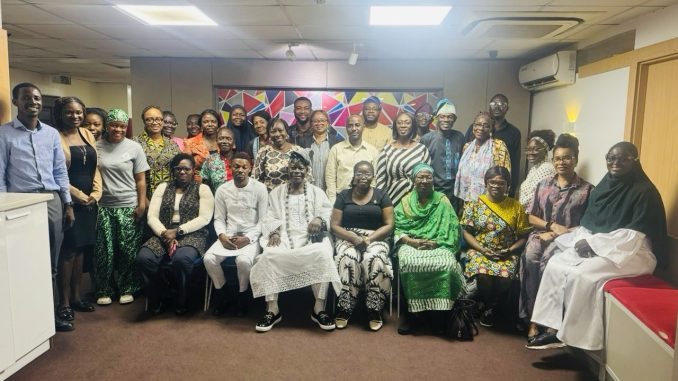
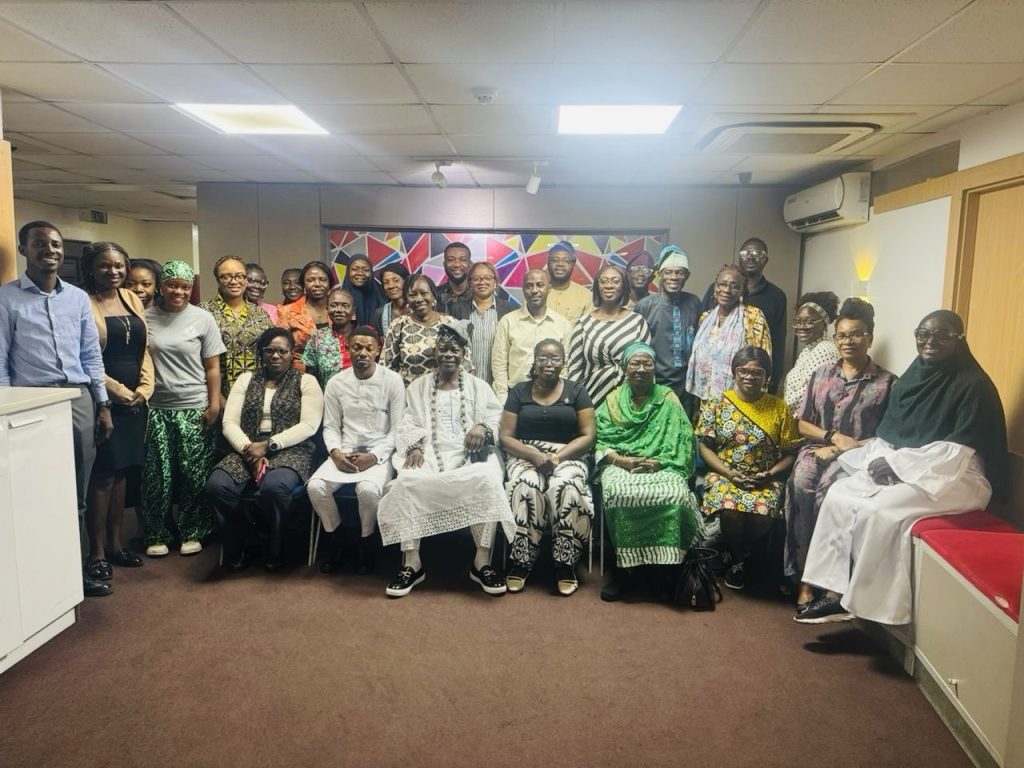
The meeting brought together representatives of civil society organisations, community leaders, and health advocates to deliberate on improving health coverage and reducing maternal and child deaths in the state.
Dr Folashade explained that the strategy session was convened to “deep dive into data and explore innovative ways to enhance healthcare delivery,” especially in underserved communities.
She emphasised that health is a shared responsibility, noting that government alone cannot meet the rising demand for healthcare services due to the continuous influx of people into the state.
“Lagos is a cosmopolitan state with over a thousand people migrating daily. This increases pressure on our health system, hence the need for stronger collaboration between government, civil society, and the private sector,” she said.
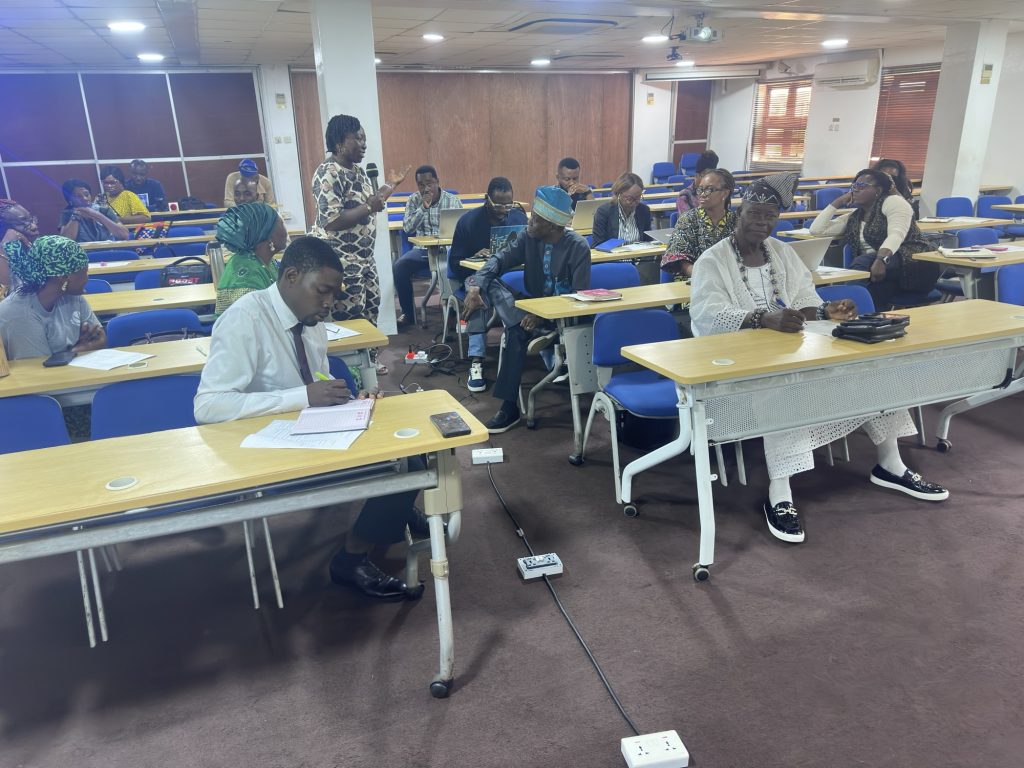
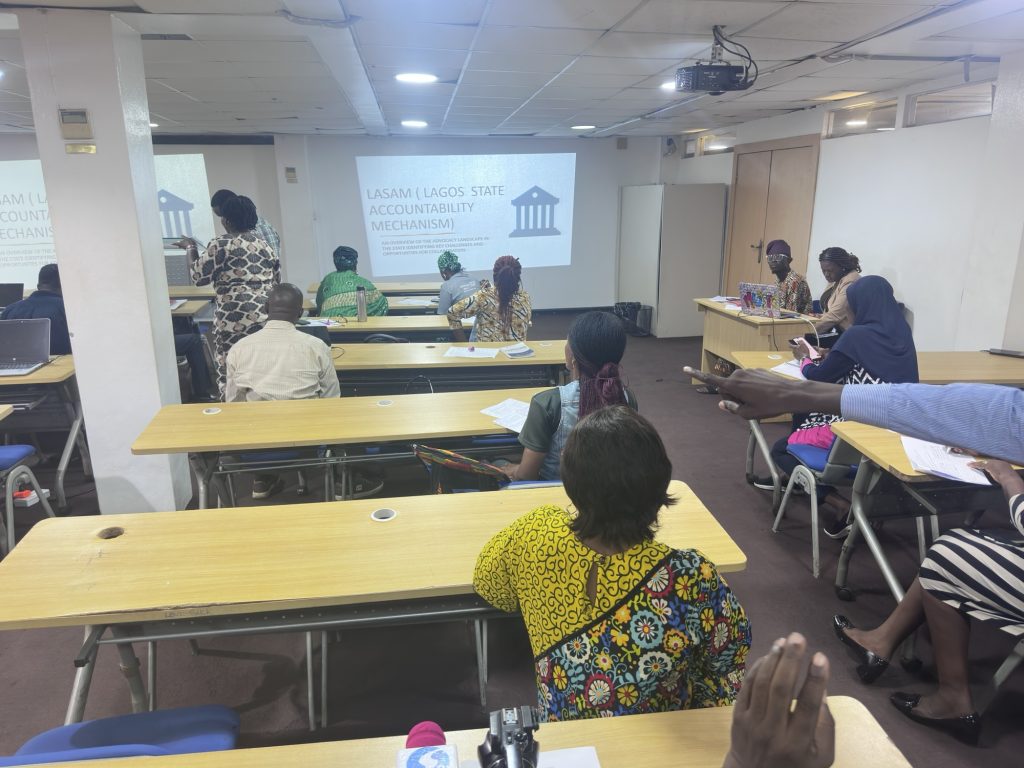
Participants at the RMNCH+N, Family Planning, Gender and Social Inclusion Strategic Meeting
The Director added that the state is working closely with partners to strengthen outreach services, especially in riverine and hard-to-reach areas.
According to her, communities without primary health facilities are being supported through mobile outreach programmes and temporary health posts, while efforts are ongoing to build new health centres.
Dr Folashade also highlighted the inclusion of mental health and adolescent health in the new strategy, saying issues such as teenage pregnancy, substance abuse, and postpartum depression are being addressed through preventive and educational interventions.
She further encouraged residents to enrol in the Lagos State Health Insurance Scheme, stressing that prevention remains cheaper and more effective than cure.
“We want our people to know that prevention is better than cure. Curative care is costly, but with health insurance, families can access services without paying out of pocket,” she added.
Meanwhile, the Lagos State Sexual and Gender-Based Violence (SGBV) Programme Manager, Dr Aofiyebi Juradat, identified low reporting of SGBV cases as a major challenge, alongside limited availability of rape kits in some health facilities.
Dr. Aofiyebi noted that the situation has improved through training of focal persons, capacity building for doctors, and better coordination between health workers and law enforcement officers.
In her remarks, Mr Owolabi Olushola, representing the Lagos State Accountability Mechanism (LASAM), said the platform ensures transparency in government’s health interventions through evidence generation, budget tracking, and policy advocacy.
Also speaking, Dr Ajoke Ashiru, Chairperson of the Interfaith Group, said her organisation engages religious leaders to promote family planning awareness among worshippers.
According to her, “when clerics understand the health benefits of family planning, they can use their influence to save lives through informed preaching.”
The meeting reaffirmed the state’s commitment to building an equitable health system that guarantees quality healthcare for women, children, and vulnerable populations across Lagos.
Leave a Reply