By Bilkis Abdulraheem Lawal
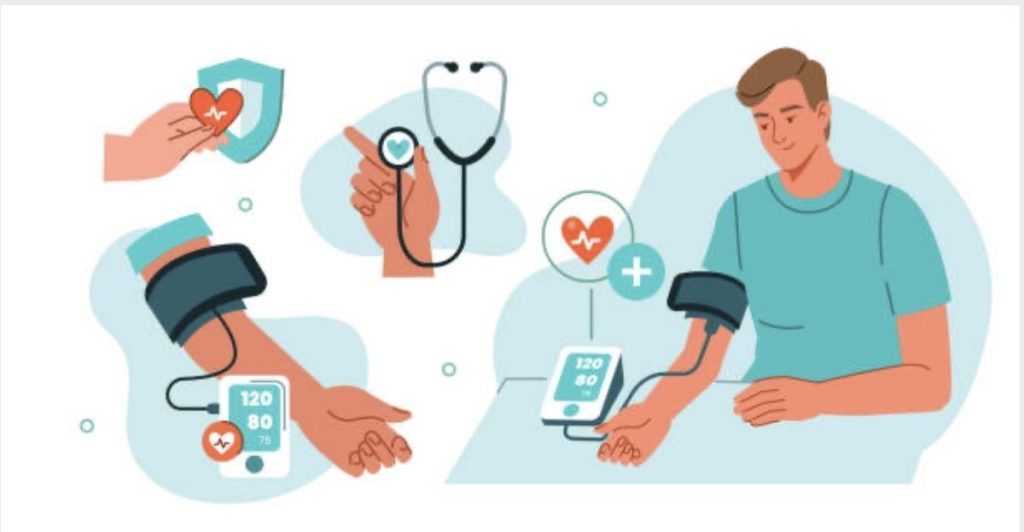
At 85, Mr Wahab Ola wakes up every morning with a simple ritual , he checks his blood pressure, takes his medication, eats a healthy meal, and says a prayer of gratitude. “I don’t joke with my health,” he said with a smile. “I check my BP every day, take my drugs faithfully, and go for regular hospital check-ups. That’s how I’ve managed to stay strong.”
For Mrs Titilayo Adedimeji, a middle-aged woman from Lagos, her battle with hypertension began unexpectedly during pregnancy nearly ten years ago. “It started when I was pregnant,” she recalled. “Since then, I’ve been on medication. I take my drugs every day and check my blood pressure once a week. I’ve learnt that with consistency, I can live well.”
Their stories echo the experience of millions of Nigerians silently living with high blood pressure, a condition that health experts warn is the leading cause of cardiovascular disease and a major public health concern in the country.
Hypertension: The Silent Killer
According to the World Health Organization (WHO), an estimated 1.4 billion adults aged 30to 79 worldwide had hypertension in 2024, representing about 33 per cent of that age group. Alarmingly, two-thirds of these adults live in low- and middle-income countries like Nigeria.
The WHO also revealed that nearly 600 million adults with hypertension are unaware they have the condition, while only 23 per cent have it under control. Globally, hypertension remains a major cause of premature deaths, prompting the United Nations to target a 25 per cent reduction in uncontrolled hypertension by 2025.
In Nigeria, the prevalence of hypertension stands at 31.2 per cent, with slightly higher rates among women.
Less Than 10% of Nigerians Achieve Blood Pressure Control
The President of the Nigerian Hypertension Society (NHS), Professor Simeon Isezuo, noted that less than 10 per cent of Nigerians with hypertension have their blood pressure under control.
Speaking at the society’s 25th Annual Scientific Conference in Abuja, he said many Nigerians are unaware of their condition because hypertension often shows no symptoms. “Most people who have it don’t know. And among those who know, many do not take treatment seriously. Even among patients on medication, blood pressure control is still low,” he said.
He added that one in every three adults in Nigeria’s urban areas suffers from hypertension, calling it a serious but preventable public health challenge.
Barriers to Hypertension Control in Nigeria
The Chairman, Board of Trustees of the Nigerian Hypertension Society, Professor Basden Onwubere, said barriers to effective control include the high cost of medication, poor awareness, and cultural misconceptions, with some people wrongly attributing the disease to spiritual causes.
He also urged the local production of affordable drugs, as most hypertension medications in Nigeria are imported, making them expensive for the average patient.
Government Efforts to Address the Crisis
The Special Adviser to the President on Health, Dr Salma Anas-Ibrahim, represented by her Technical Adviser, Umaru Tanko, at the conference, said the Federal Government is integrating hypertension treatment and management into primary healthcare through the Basic Healthcare Provision Fund and the National Health Sector Strategic Development Plan 3, expected to roll out soon.
She said this approach aims to ensure accessible, affordable, and continuous care for people living with hypertension across the country.
Health Experts Urge Early Detection and Lifestyle Changes
A health practitioner, Mrs Bosede Johnson, explained that while the exact cause of hypertension is often unknown, several factors contribute, including genetics, obesity, poor diet, lack of exercise, smoking, pregnancy, aging, among others.
She highlighted common symptoms such as:
Persistent headache, Dizziness or blurred vision, Chest pain or difficulty breathing, Nausea, fatigue, Irregular heartbeat, Nosebleeds and anxiety.
“Anyone who experiences these symptoms alongside high blood pressure should seek medical help immediately,” she advised.
Mrs Johnson urged Nigerians to check their blood pressure at least once a week starting from age 25, maintain a balanced diet, and limit salt intake.
She also cautioned against self-medication, warning that misuse of drugs could lead to complications.
A Manageable Condition with Discipline and Awareness
Experts agree that hypertension is serious but manageable with the right care, medication, and lifestyle. Stories like those of Mr Wahab Ola and Mrs Titilayo Adedimeji show that awareness, consistency, and early detection can make a difference.
“I’m living proof that you can live long with hypertension,” Mr Wahab said. “Just take care of yourself and follow your doctor’s advice.”
As Nigeria grapples with the growing burden of high blood pressure, health experts are calling on citizens to take control of their health, get regular blood pressure checks, and adhere to treatment plans to prevent life-threatening complications.
Leave a Reply