By Bilkis Abdulraheem Lawal
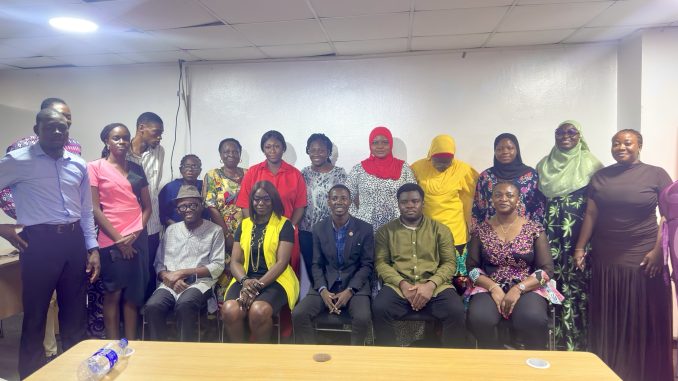
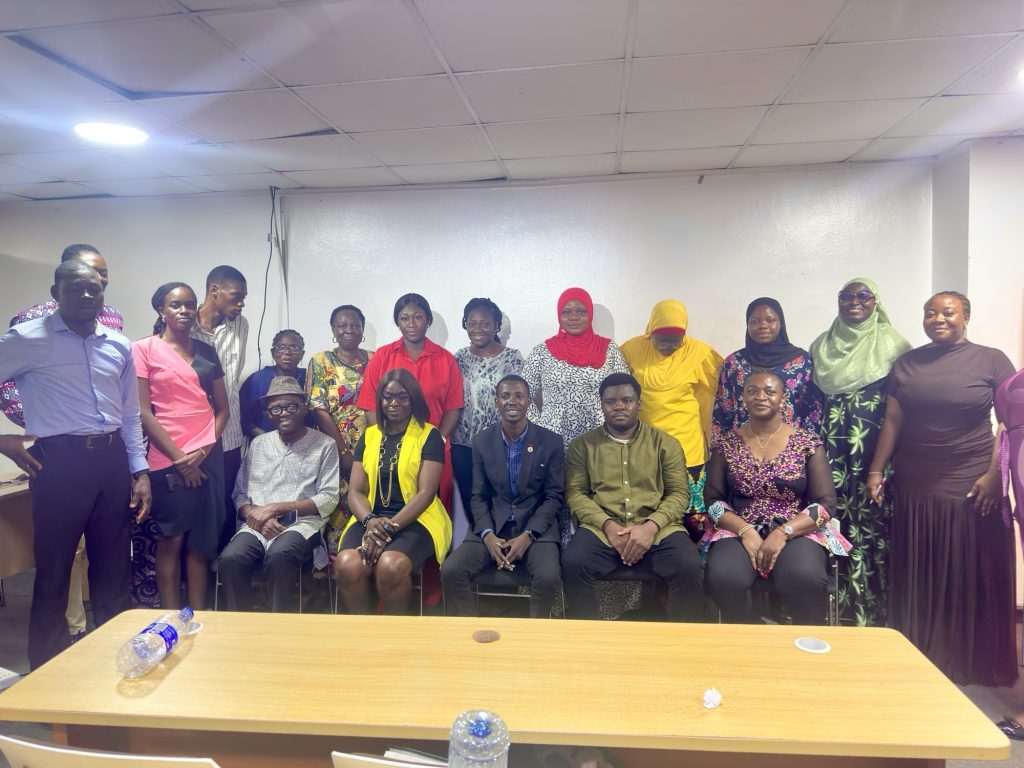
The Center for Communication and Social Impact (CCSI) has trained social media influencers in Lagos on how to use their platforms to advocate for improved healthcare funding and stronger health systems across the state.
Lagos State Advocacy Coordinator for CCSI, Mr. Abiodun Ajayi, said the training aimed at building the capacity of content creators to effectively communicate health messages and drive social change.
Mr Ajayi noted that while many influencers focus on brand promotions for profit, there is a growing need for them to leverage their reach and influence to support causes that impact public well-being.
“We want them to understand the social value of their work and help amplify our advocacy for sustainable funding for healthcare, particularly family planning and maternal health,” Ajayi explained.
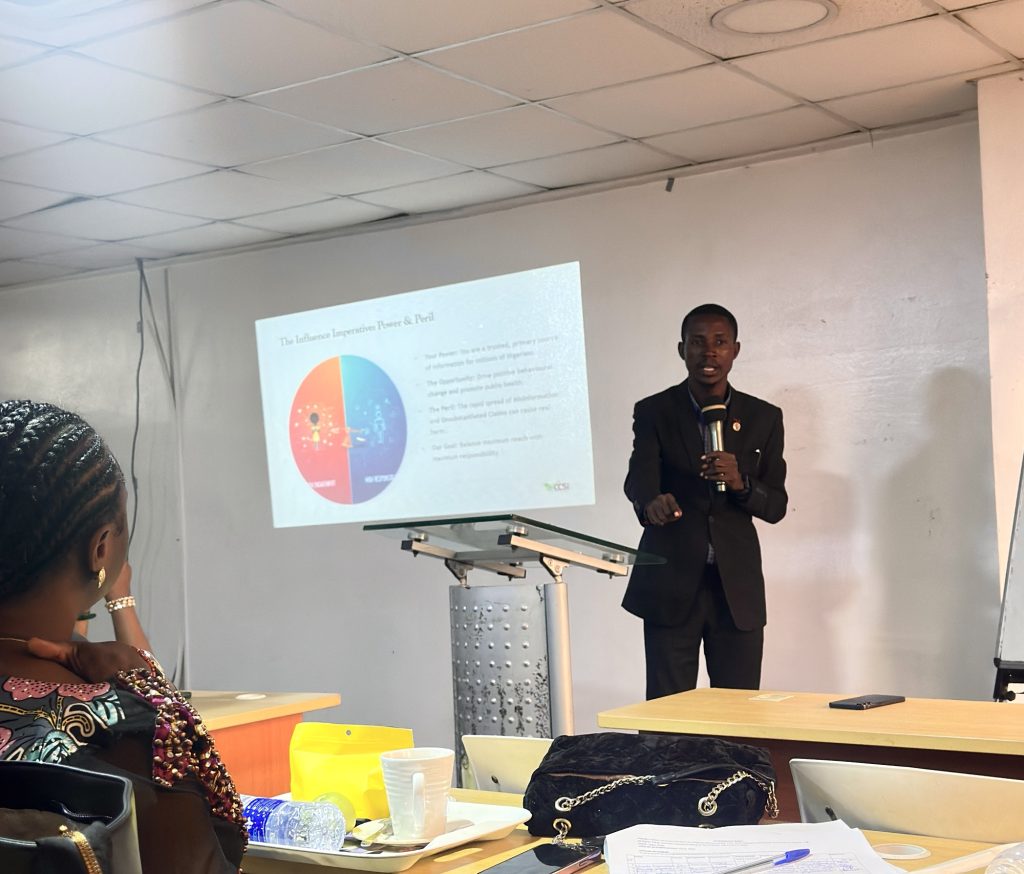
According to him, social media influencers possess the power to drive conversations and influence government action, citing examples of how online activism in Nigeria has previously led to political and social change. “We can use that same energy to transform our healthcare system,” he said.
Mr. Ajayi expressed concern over the current ₦50 million budget allocated for family planning in Lagos State, describing it as grossly inadequate to cater to the needs of over 20 million residents. He called for a peaceful and constructive push for increased government funding to ensure wider access to essential commodities and services.
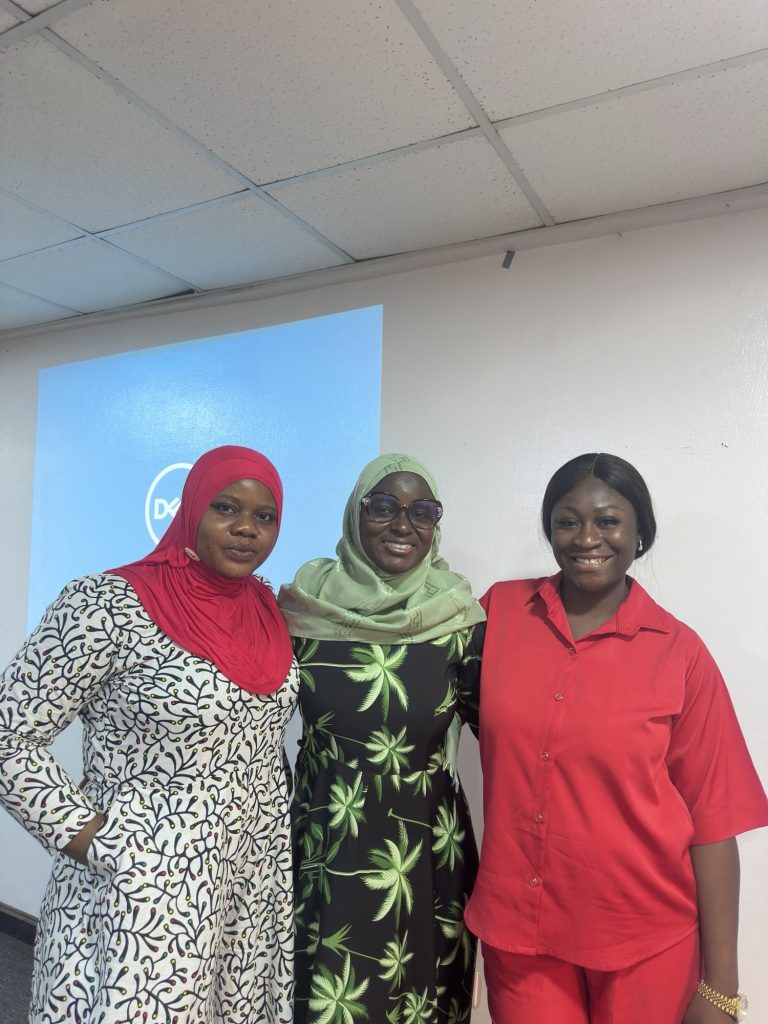
Participants at the training, drawn from various organisations and media platforms, such as Badrat Salami, from LASU Radio, emphasised the importance of focusing on health communication, especially in areas like sexual and gender-based violence, maternal health, and family planning.
Eletu Sulia from Development Communications Network said she learned the significant of including clear calls to action in social media advocacy, while Blessing Alims Ojisor highlighted how the training strengthened her resolve to use her online audience to dispel myths and misconceptions about reproductive health.
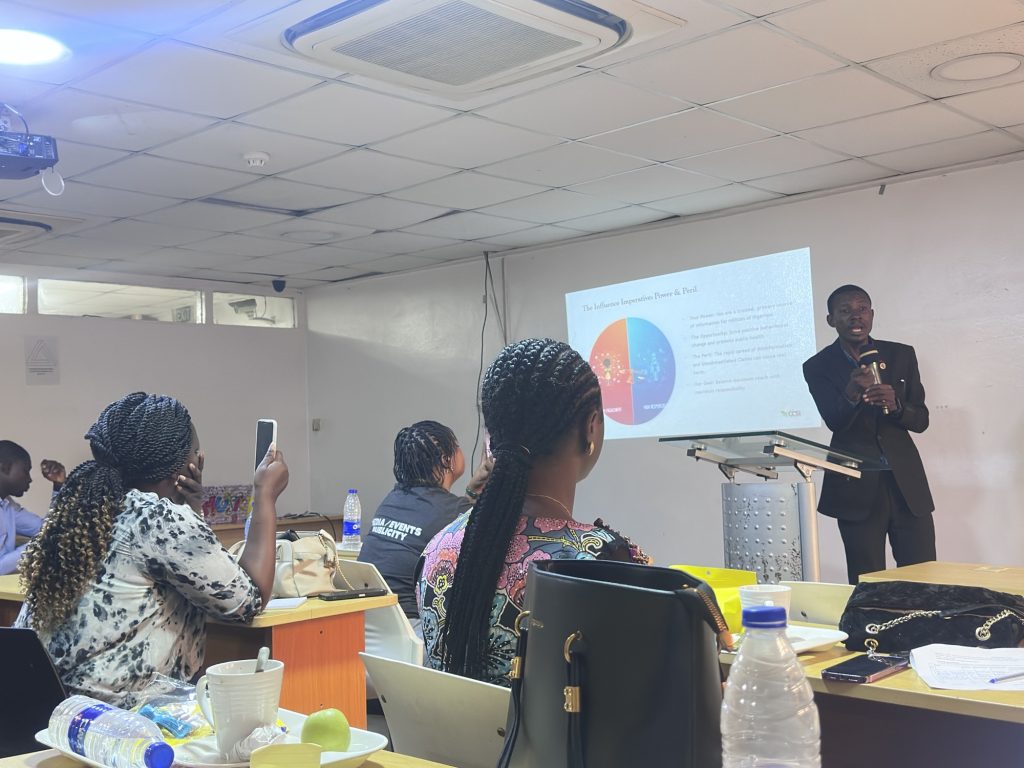
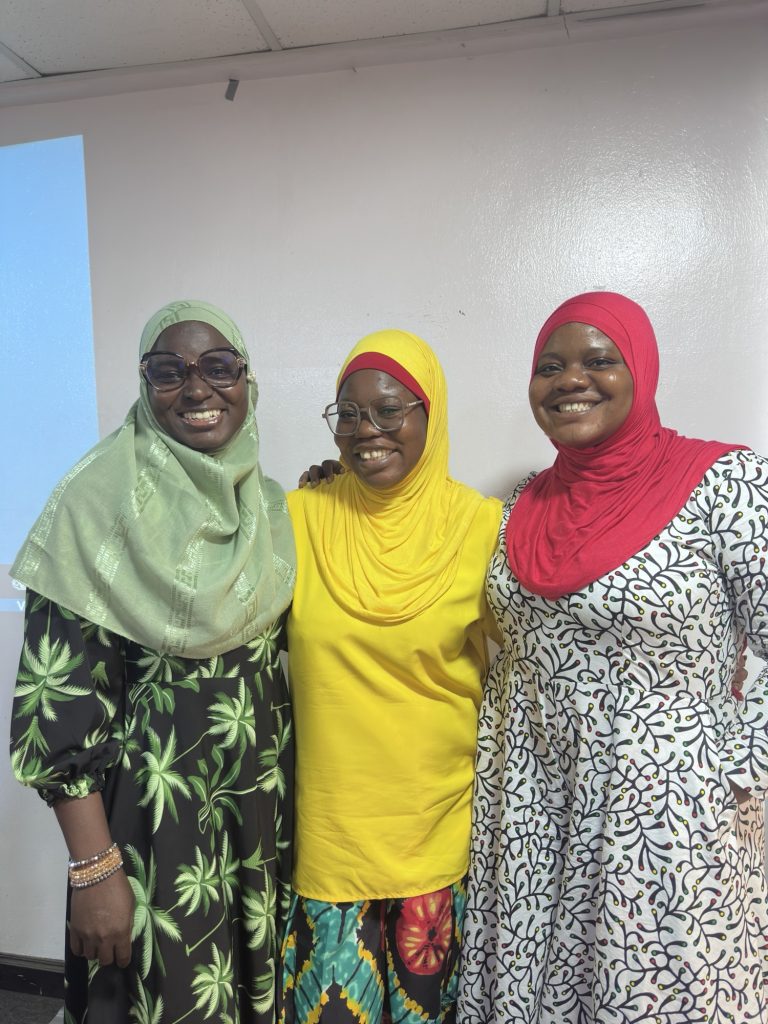
Another participant, John Ojetunde, from Public Health Sustainable Advocacy Initiative, described the session as enlightening, noting that it improved his understanding on how to segment his target audience and draft clear messages for health advocacy.
The training, according to CCSI, is part of ongoing efforts to harness the power of digital communication in promoting Reproductive, Maternal, Newborn, Child, Adolescent Health and Nutrition (RMNCAH+N) advocacy and achieving better health outcomes in Lagos State.
Leave a Reply