By Bilkis Abdulraheem Lawal
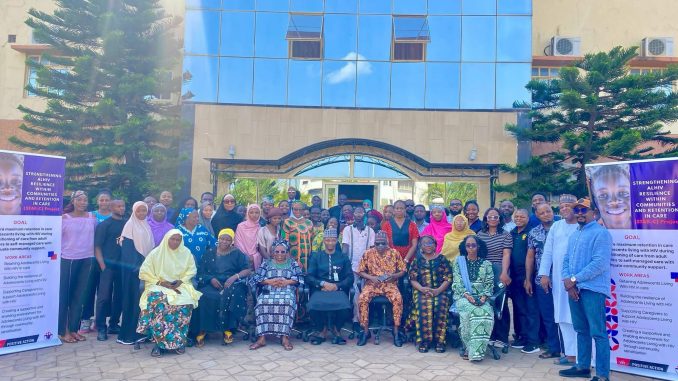
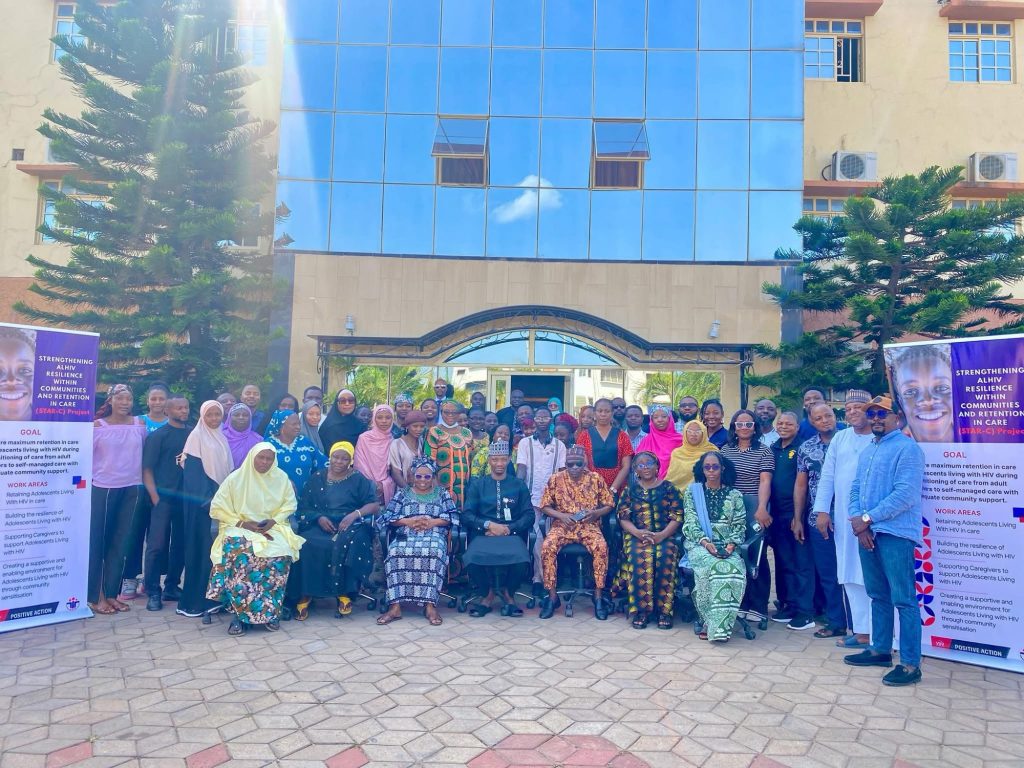
A major push to improve HIV care for adolescents in Nigeria has taken place in Kaduna, where the Strengthening Adolescents Living with HIV (ALHIV) Resilience Within Communities and Retention in Care (STAR-C) Project, in collaboration with key state health agencies, held a three-day capacity-building training for healthcare workers and peer supporters.
The training, organised with the Kaduna State AIDS and STI Control Programme, the Kaduna State Agency for the Control of AIDS (KADSACA) and the Kaduna State Substance Abuse and Mental Health Services Agency (KADSAMHSA), focused on age-appropriate HIV disclosure, psychosocial support for children and adolescents living with HIV (CALHIV), and the integration of the WHO Mental Health GAP (mhGAP) to strengthen mental-health care within HIV services.
In her opening remarks, the Executive Secretary of KADSACA, represented by Mrs. Virginia Bognet, Deputy Director for Treatment, Care and Support, described age-appropriate disclosure as a critical tool for retaining adolescents in HIV care.
She urged participants to remain committed to learning and applying global best practices.
Director General of KADSAMHSA, Dr. Joseph Ike, praised the STAR-C project team and the Society for Family Health (SFH) for seamlessly integrating HIV and mental-health training, describing it as both “timely and impactful.”
He commended the Kaduna State Government for passing the Mental Health Bill, calling it a transformative step toward ensuring access to comprehensive, whole-person care for young people.
The training featured rich, interactive sessions led by regional and local experts. Nokuthula Heath, a South African maternal and child-health specialist, facilitated modules on child development, children’s rights, and caregiver communication.
Participants engaged in hands-on exercises involving play therapy, counselling skills, and age-appropriate HIV disclosure, equipping them to provide empathetic and child-centred psychosocial support.
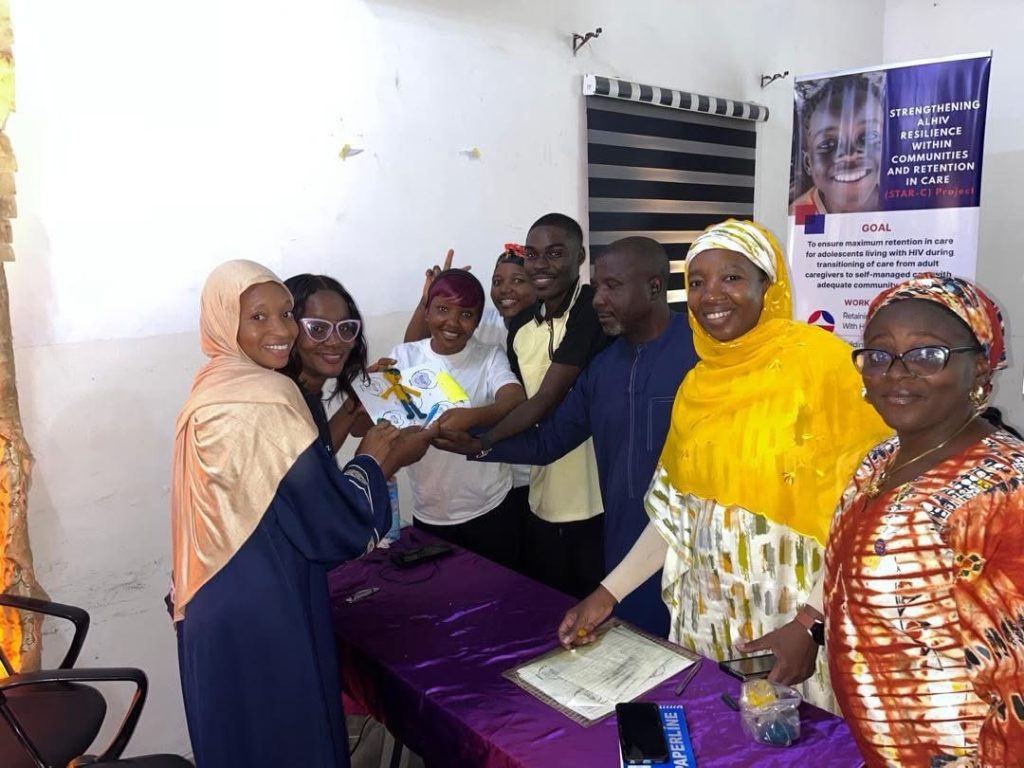
Building on this, Aisha Dadi delivered sessions on child-friendly language, disclosure tools, and the Body Safety Strategy.
She guided participants through the Holistic Model of Disclosure, covering preparation, assessment, follow-up, and documentation to ensure safe, structured, and supportive disclosure for adolescents living with HIV.
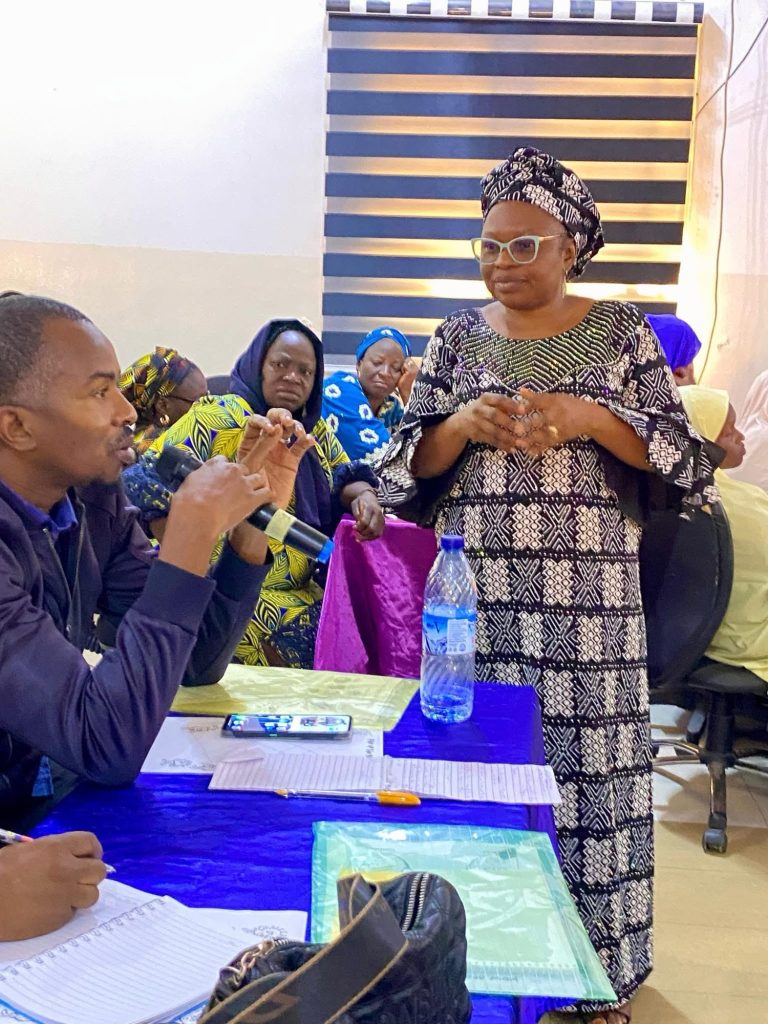
A comprehensive mental-health module was delivered by Dr. Muhammad Gidado, Consultant Psychiatrist at the Federal Neuropsychiatric Hospital, Kaduna.
His session addressed conditions such as depression, anxiety, and psychosis, highlighting the importance of early intervention, sustained support, and continuity of care.
He emphasised the strong link between mental well-being and treatment adherence among adolescents living with HIV.
Leave a Reply