By Bilkis Abdulraheem Lawal
The Lagos State Government has restated its commitment to delivering accessible, affordable and sustainable sanitation infrastructure across the state, as part of efforts to strengthen public health and eliminate open defecation by 2030.
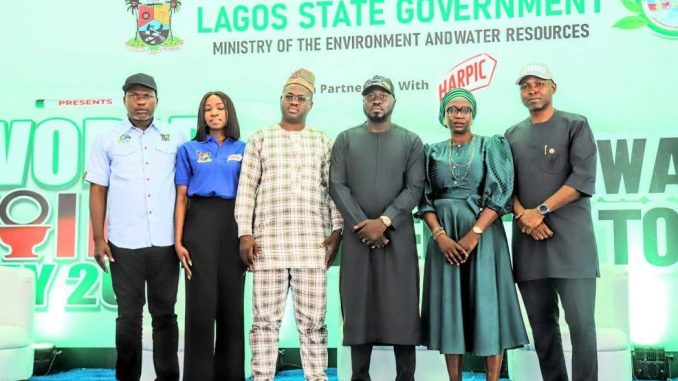
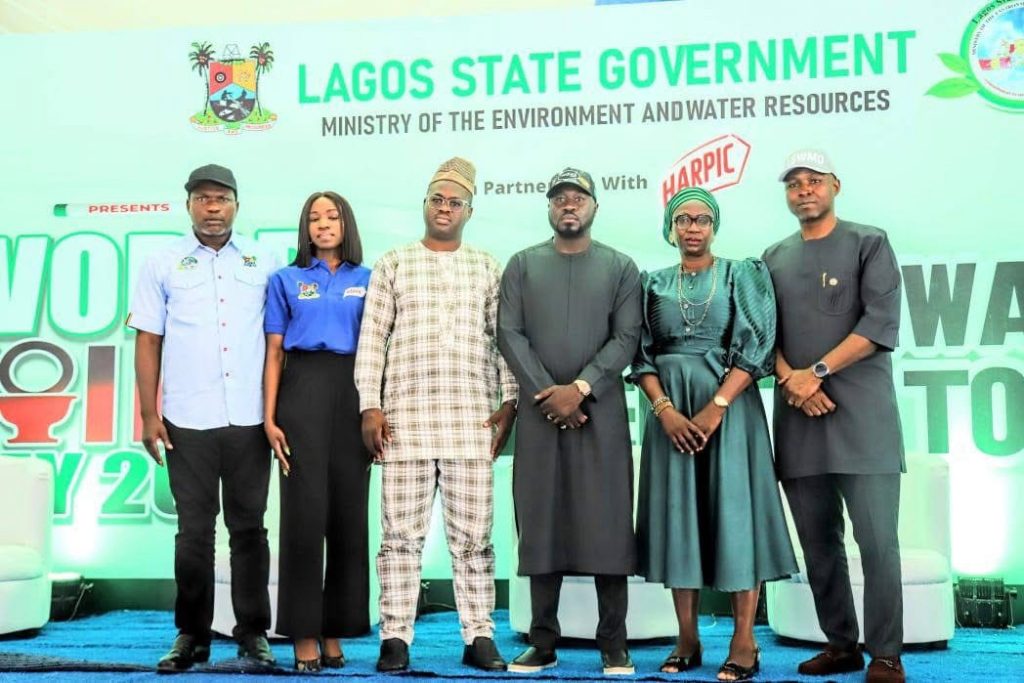
Speaking at the 2025 World Toilet Day celebration held at the Eko FM Multi-purpose Hall, Ikeja, the Commissioner for the Environment and Water Resources, Mr Tokunbo Wahab, said the annual observance highlights the urgent global need for safe sanitation.
The Commissioner, represented by the Managing Director of the Lagos State Advertising and Signage Agency (LASSA), Prince Fatiu Akinolu, noted that the state remains resolute in its mission to ensure every resident has access to a clean and safe toilet, regardless of location.
He emphasised this year’s theme, “We’ll Always Need the Toilet,” which calls for decisive action to expand sanitation access in the face of ageing infrastructure, rising population demands and the growing impact of climate change. Wahab stressed that sanitation is central to human dignity, public health and environmental protection.
Highlighting ongoing interventions, he stated that the government has strengthened regulatory frameworks to improve service delivery, enhance accountability and expand public–private partnerships for the development of sanitation infrastructure, particularly in densely populated communities, schools and markets. These efforts form part of the broader implementation of the Lagos State WASH Policy.
Wahab announced that the state has approved the construction of 20 additional public toilet blocks, totalling 200 new units, to complement the existing 1,710 public toilets strategically located across Lagos.
He added that the administration is strengthening the Lagos State Wastewater Management Office to improve faecal sludge management and support a more efficient sanitation system.
He also disclosed that Lagos, in partnership with WaterAid Nigeria, is conducting a study on the sanitation circular economy to identify opportunities for resource recovery and sustainable faecal sludge management. Other partners, including UNICEF, USAID, the World Bank and OPS-WASH, continue to support the state through technical assistance and innovative financing models.
Wahab noted that Lagos is embracing circular economy principles by integrating technologies that convert waste into energy and compost, driving environmentally friendly and future-ready sanitation solutions. As urbanisation accelerates and climate impacts intensify, he called for stronger collaboration to build systems resilient enough to withstand rising sea levels and extreme weather events.
Earlier, the Permanent Secretary of the Office of Environmental Services, Mr Gaji Omobolaji, represented by Mrs Monsurat Banir of the Environmental Education Unit, warned that billions globally still lack access to safe toilets, with women and girls disproportionately affected.
He stressed the need for continued investment in resilient sanitation infrastructure to protect public health and create a more prosperous society.
This year’s World Toilet Day event brought together environmental advocates, civil society groups, students, NGOs, the media and other stakeholders committed to advancing sanitation in Lagos.
Leave a Reply