By Bilkis Abdulraheem Lawal
Public health experts and mental health professionals have urged young artists to harness the power of creativity to communicate health messages, challenge stigma and inspire positive action in their communities.
They made the call at a two-day Health Story Lab workshop organised by the Art for Health Initiative (AHI), in collaboration with the Yemisi Shyllon Museum of Art (YSMA), Pan-Atlantic University, Ibeju-Lekki, Lagos State.
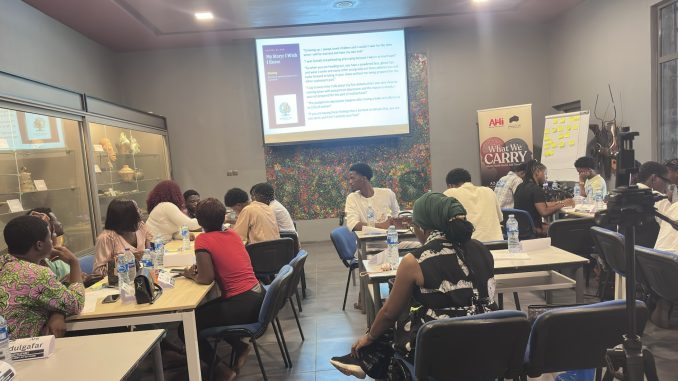
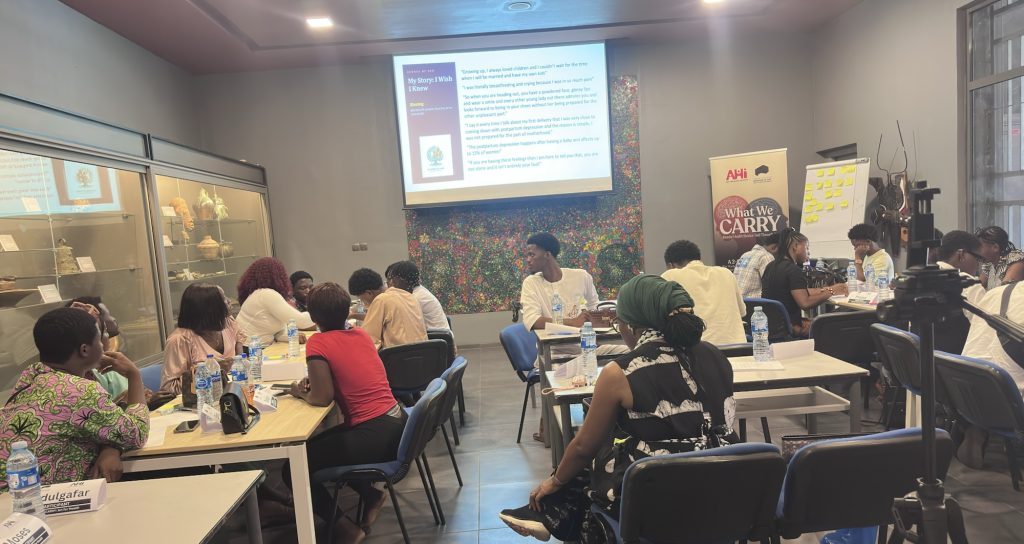
The workshop, which brought together 26 undergraduate students of the Fine Art Department, explored the intersection of art, public health, mental health and storytelling.
Speaking on “Public Health and the Role of Art in Health Communication,” Public Health Strategist, Dr Olayinka Badmus, said art could make complex health information more relatable, memorable and accessible to different audiences.
She explained that effective health communication goes beyond simply passing on information, stressing that communicators must connect with the audience’s understanding, emotions and capacity to act.
“Information is what you know. Communication is what happens when information meets action. Communication is a two-way interaction,” she said.
According to Badmus, creative approaches such as music, drama, storytelling, visual art and digital content can capture attention, create emotional connections, stimulate conversations and encourage people to take appropriate action.
She advised the students to always identify their target audience before creating health-related content, noting that the same message may need to be presented differently to different groups.
Badmus also stressed the importance of accuracy, context, appropriate representation, privacy and providing audiences with a clear action point when creating health communication materials.
She urged the students to collaborate with health professionals and subject-matter experts when developing health-related stories to avoid spreading misinformation.
“Whatever you are creating, you need to tell people what they can do. If you don’t tell me what exactly you are telling me to do, you have lost the message,” she said.
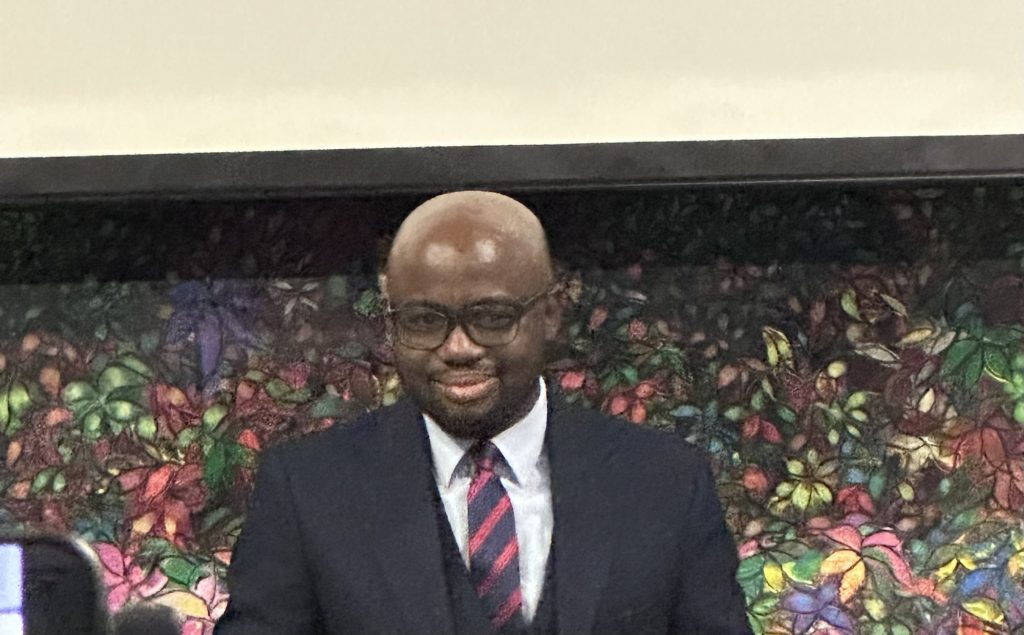
The second speaker, psychiatrist and psychotherapist, Dr Emmanuel Abayomi, focused on “Mental Health and Resilience.”
Using interactive exercises and everyday examples, Abayomi explained the relationship between emotions, thoughts and behaviour and how they collectively influence an individual’s mental wellbeing.
He described resilience as the ability to recover and adapt after experiencing difficult or stressful situations, while emphasising that experiencing emotional pain does not necessarily mean a person lacks resilience.
According to him, students may face pressures arising from relationships, academic expectations, uncertainty about the future and other life experiences, but developing healthy coping mechanisms is essential.
He encouraged the students to acknowledge their emotions, examine their thoughts and make choices that support their wellbeing and ability to fulfil their potential.
Abayomi also cautioned against allowing fear of failure to prevent creativity, innovation and personal growth.
He encouraged the students to see mistakes and setbacks as opportunities to learn rather than as definitive measures of their worth or potential.
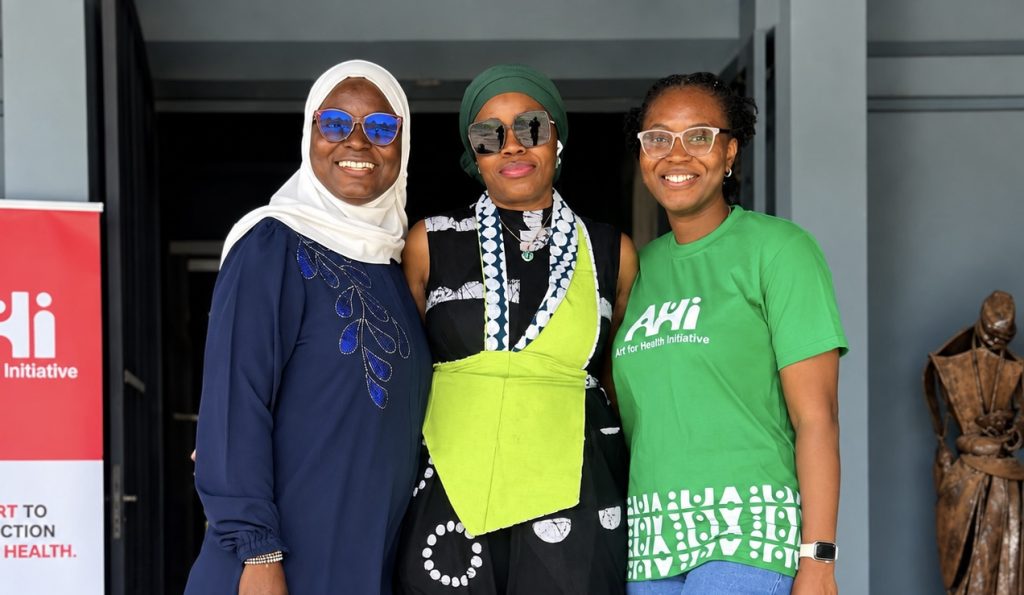
Earlier, the founder of Art for Health Initiative, Chidera Rosecamille Aneke, said the workshop was designed to help young people transform health knowledge and lived experiences into art and stories capable of sparking conversations and inspiring action.
Aneke said the initiative partnered with YSMA to create a learning space where public health, mental health and creative expression could intersect.
She said the first edition, themed “What We Carry,” was designed to encourage participants to reflect on the experiences, emotions and pressures they carry, including those that may not be visible to others.
“The idea behind Health Story Lab is to help young people turn health knowledge and lived experiences into art and stories that can spark conversation and inspire action,” she said.
Aneke explained that the two-day format allowed the students to first understand and reflect on health and mental health issues before exploring creative ways of communicating them.
She said Fine Art students were deliberately selected because of their ability to influence conversations within their schools, families and online communities through their creative work.
“They have the talent and also have their own perspectives and experiences on mental health that deserve to be heard. We want to equip them with the knowledge, confidence and creative tools to tell those stories responsibly,” she said.
She expressed hope that the impact of the workshop would extend beyond the two-day programme through the artworks produced by the participants, the conversations they initiate and the actions they take in their communities.
The workshop combined expert-led sessions, interactive discussions and creative exercises, encouraging the students to examine how visual and other forms of artistic expression can be used to communicate health issues in ways that are engaging, responsible and relevant to their audiences.
Leave a Reply