By Bilkis Abdulraheem Lawal
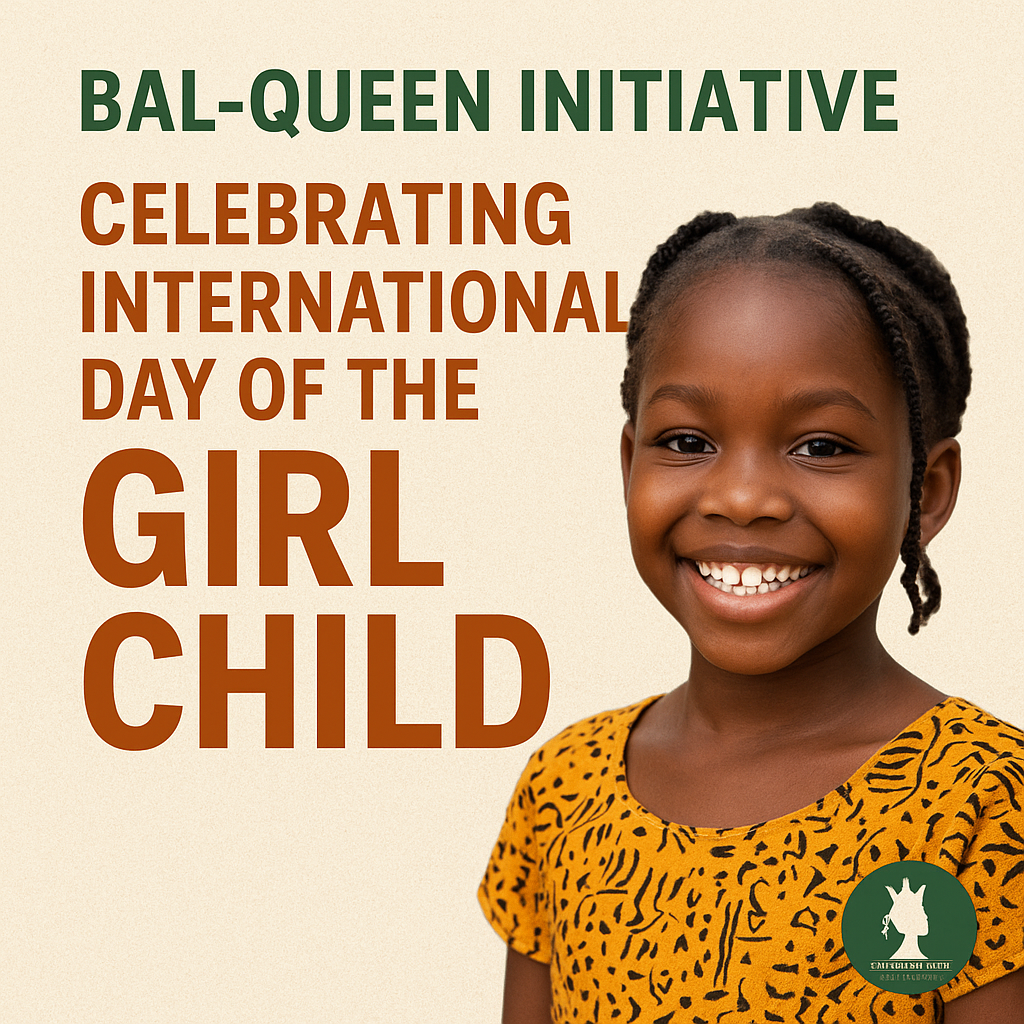
Every year on 11th October, the world comes together to mark the International Day of the Girl Child, a day dedicated to celebrating the power, potential and resilience of girls everywhere.
This year’s theme, “The Girl I Am, The Change I Lead: Girls on the Frontlines of Crisis,” recognises and celebrates girls’ leadership in confronting today’s multiple crises, conflict and climate change to inequality and violence.
Being a girl should never define what one can do or become. Yet, for millions of girls around the world, this remains a painful reality. A lot of girls face barriers that strip them of their rights, restrict their opportunities, and limit their futures.
The Reality for Millions of Girls
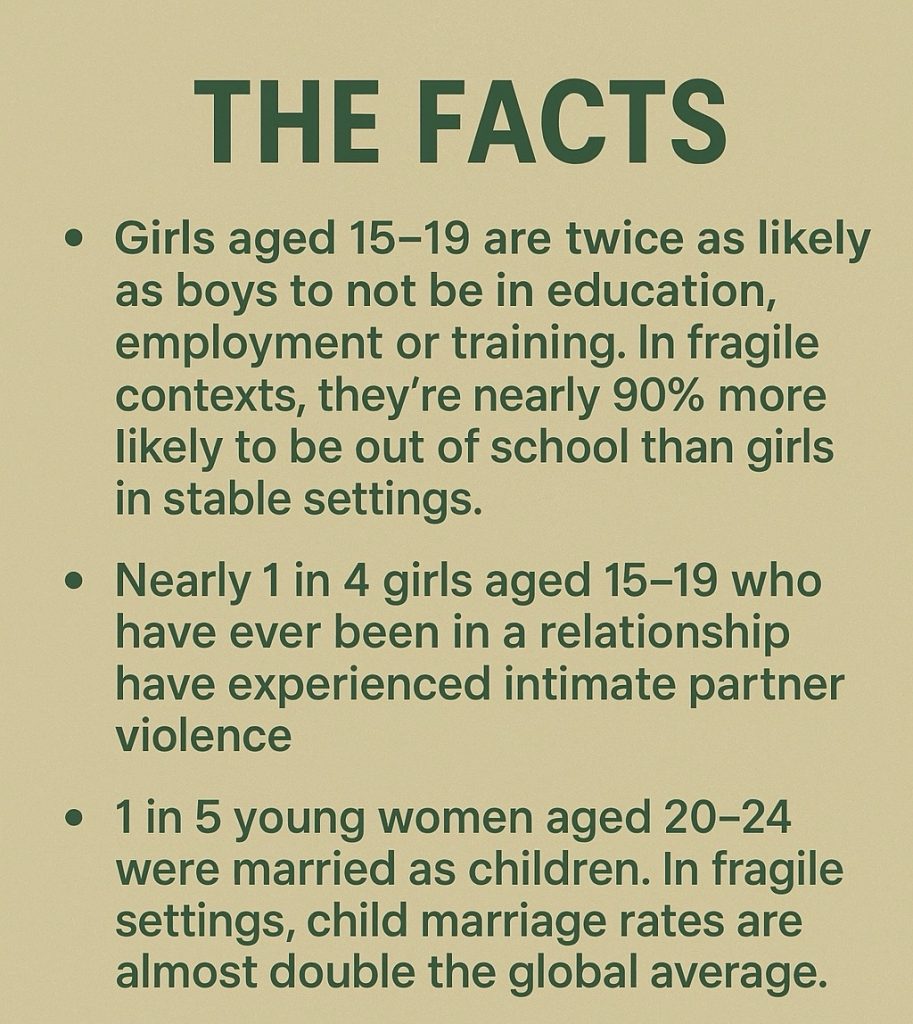
According to UNICEF, the statistics paint a sobering picture:
Girls aged 15–19 are twice as likely as boys to be out of education, employment or training.
In fragile settings, girls are 90% more likely to be out of school compared to those in stable environments.
One in four girls aged 15–19 who have ever been in a relationship has experienced intimate partner violence.
One in five young women aged 20–24 was married as a child, with child marriage rates in conflict zones almost double the global average.
Crises such as conflict, displacement and poverty heighten the risks of sexual violence, child marriage and maternal mortality.
Alarmingly, in the past two decades, self-harm has remained one of the leading causes of death among adolescent girls.
Girls Are Leading Change
Despite the odds, girls are stepping up. Across the globe, they are organising in their communities, championing climate justice, and demanding an end to child marriage, gender-based violence, discrimination in workplace, genital mutilation, and yearning for access to quality education and healthcare.
They are calling not just to be seen for the struggles they face, but to be recognised for the solutions they bring.
Yet, too often, their voices go unheard. Their ideas are sidelined, and their rights overlooked.
But girls are not waiting for change, they are leading it. From classrooms and village meetings to parliaments and online platforms, girls are proving that they are not victims of circumstance but drivers of transformation.
Our Collective Responsibility
As the world marks this year’s International Day of the Girl Child, each of us has a role to play in creating a fairer, safer world for every girl. We can:
Amplify theirVoices: Celebrate their achievements, amplify their voices and highlight their impact.
Be an Advocate for change: Demand stronger policies that protect girls’ rights and promote their leadership.
Be a Good Support System: Create and sustain safe environments where girls can connect, learn and lead. Raise your voice.
Call for funding and programmes that meet the unique needs of girls in crisis, including access to education, healthcare, mental well-being and protection for adolescent mothers.
Training a girl is like training a nation because she natures several other people directly or indirectly. When we invest in their education, amplify their voices, and protect their rights, we build stronger communities and a better future for all.
Leave a Reply