Bilkis Abdulraheem Lawal
The Initiative to Resist Institutional Slavery and Exploitation (IRISE) has urged Nigerian media organisations and practitioners to adopt more evidence-based, rights-focused and responsible approaches to reporting sexual and reproductive health and rights (SRHR) issues.
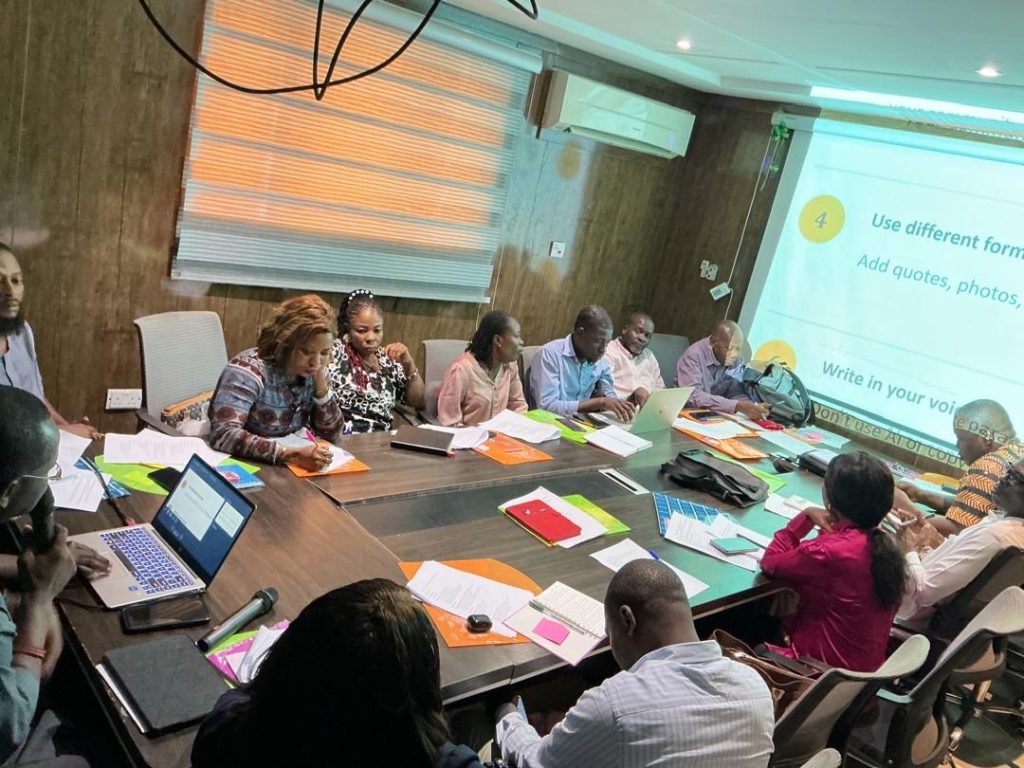
The organisation’s Executive Director, Omodele Ibiyeye Ejeh, made the call during a two- day media roundtable organised to review the impact of a rights-based, evidence-driven reporting training held for journalists in February 2026.
Ejeh said the engagement was designed to assess what had changed since the training and identify areas where further support and collaboration with the media were required.
She stressed that the media plays a critical role in shaping public understanding of sensitive issues, including sexual and reproductive health, gender-based violence and survivors’ experiences.
“The media are like prophets; they shape the narrative of ordinary people,” Ejeh said.
According to her, the organisation’s review of reporting by 100 media houses before the February training revealed concerns around the tone of reports, the sources of information and the use of stigmatising language and imagery.
She said one of the issues identified was the use of inappropriate photographs to illustrate stories on contraceptive use.
“There was this reporting on contraceptives. The writings were accurate, but the picture was stigmatising,” she said.
Ejeh explained that the report had been accompanied by a photograph of a heavily pregnant woman, despite the story focusing on contraceptive use and the prevention of unintended pregnancies.
“You are talking about contraceptives and you are putting a picture of a heavily pregnant woman,” she said, describing the combination as a contradiction that could send a negative message to audiences.
She urged journalists to look beyond simply getting the written content right, stressing that photographs, headlines, language and other elements of a report can also influence how audiences understand sensitive health issues.
Media must strengthen presence on social media
Ejeh also called on professional media practitioners to become more visible on social media as the influence of bloggers and citizen content creators continues to grow.
“These days, everybody is a blogger,” she said, urging mainstream media professionals to establish a stronger presence across social media platforms and use the space to provide credible and accurate information.
She said IRISE wanted to see “more improved materials” and stronger evidence-based reporting, while encouraging media professionals to take advantage of their credibility and professional training to counter misinformation online.
‘Society must stop silencing survivors’
Speaking on sexual violence, particularly cases involving fathers who sexually abuse their daughters, Ejeh said the persistence of such abuse was linked partly to societal silence, stigma and discrimination against survivors.
“I think society should do good work in punishing perpetrators and supporting survivors,” she said.
According to her, when survivors are subjected to stigma and discrimination, they may become reluctant to disclose their experiences or seek help.
She said perpetrators could exploit the culture of silence by convincing survivors that they would not be believed.
“That alone can make you not even talk about it and actually die in silence,” Ejeh said.
She therefore called for an end to the culture of silence and victim-blaming surrounding sexual violence.
“The culture of silence, the culture of stigma, the culture of discrimination against someone who needs help has to stop,” she said.
Ejeh said IRISE would continue to strengthen its partnership with media professionals to improve reporting on sexual and reproductive health and rights and ensure that stories are supported by credible evidence while protecting the dignity of affected individuals.
The organisation, which works on sexual and reproductive health and rights and gender-based violence, has previously trained journalists on rights-based and evidence-driven reporting in SRHR. Its February 2026 training brought together media professionals to examine how reporting can influence public perceptions of sensitive health and rights issues.
Leave a Reply