By Mutiu Abdullahi
Well-meaning Nigerians and governments at all levels have been urged to promote an inclusive society where persons living with disabilities can thrive and fully realise their potential.
The call was made by an Islamic scholar and Lead Consultant at AS and Associate, Dr Abdullahi Shuaib, at the grand finale of the week-long Muslim Association of Visually Impaired of Nigeria (MAVIN) Week, organised by the Lagos State Chapter.
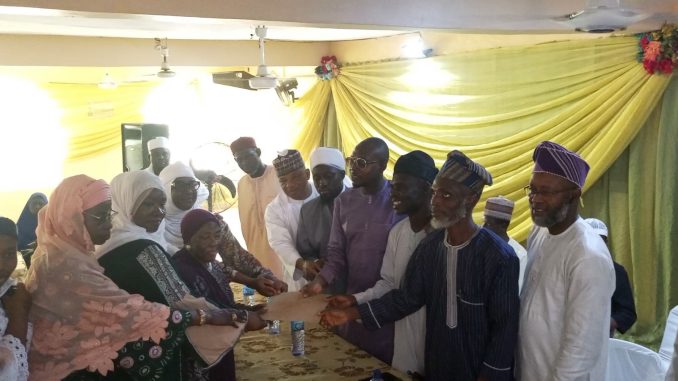
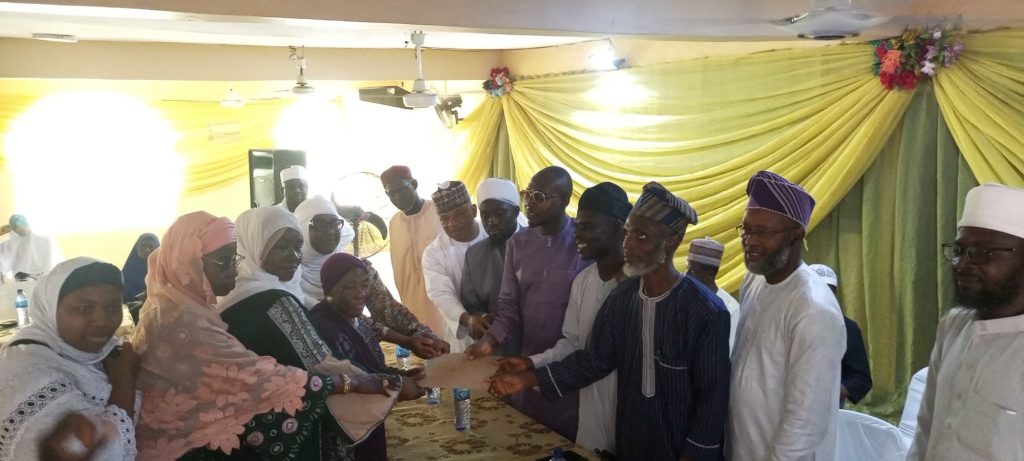
The event also featured the unveiling of a multi-million naira Islamic Centre, with the theme “Sowing Seeds of Empowerment Through Waqf for Disability Support,” held in Ogba, Ikeja area of Lagos State.
The programme, which attracted several Islamic scholars and dignitaries, also witnessed the donation of two plots of land by Alhaja Fausat Bako in support of the initiative.
Speaking on the theme, Dr Shuaib explained that waqf refers to the endowment of assets for charitable or religious purposes, where the capital is preserved while the benefits are channelled towards socio-economic development.

He said waqf plays a critical role in poverty reduction, education, healthcare and overall societal well-being.
According to him, a well-structured waqf system can provide essential support for visually impaired persons, promote self-reliance and preserve their dignity.
Also speaking, the chief host of the event, Alhaji Ismail Musa, appealed to well-meaning Nigerians to support MAVIN’s Islamic Centre project, which is designed to empower visually impaired persons through education, skills training and economic opportunities.
He stressed the need for accessible spaces, appropriate technologies, employment opportunities and services tailored to the needs of persons with visual impairments to foster independence and inclusion.
In his remarks, Chairman of MAVIN Lagos State, Mr Abdulwasiu Olopade, said the annual programme is aimed at showcasing the capabilities and resilience of visually impaired individuals.
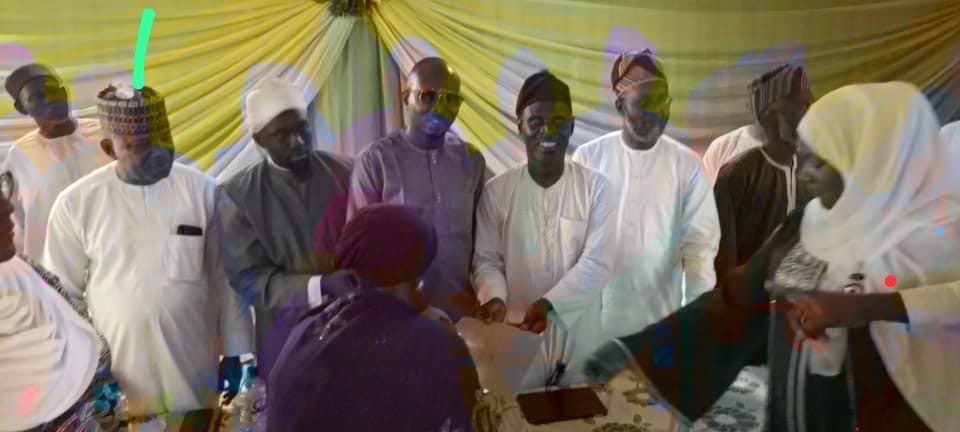
He added that the Islamic Centre, when completed, is expected to provide accessible facilities, assistive technologies and vocational training, enabling beneficiaries to acquire relevant skills, build confidence and become economically independent.
Leave a Reply