By Bilkis Abdulraheem Lawal
The Lagos State Government has inaugurated a Non-Communicable Diseases (NCDs) Technical Working Group (TWG) to strengthen coordination and deliver integrated strategies for tackling the growing burden of lifestyle-related diseases across the state.
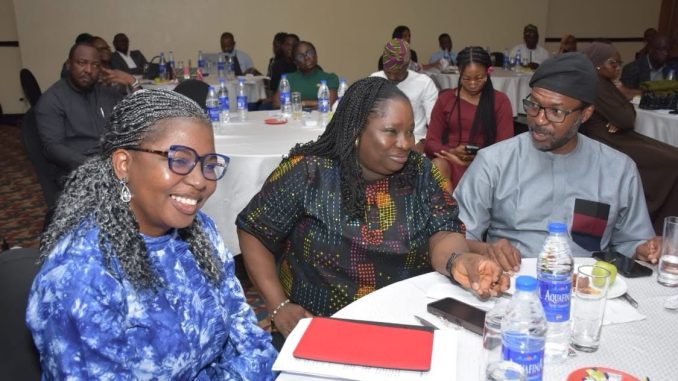
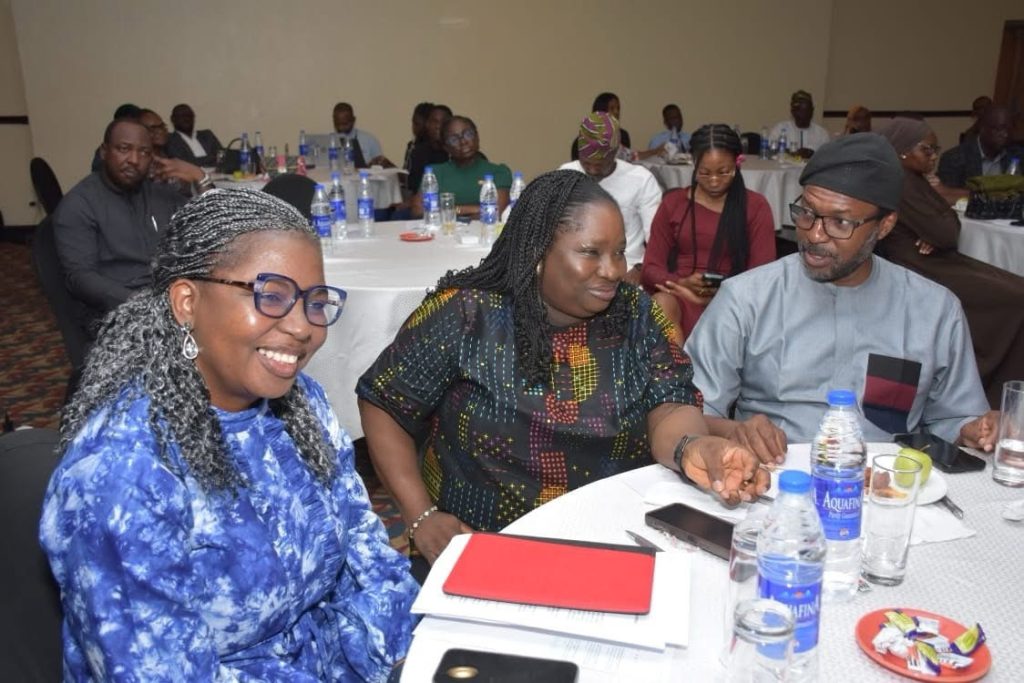
The inauguration, held on Tuesday, November 5, 2025, at the Sheraton Hotel, Ikeja, convened policymakers, health professionals, development partners, and civil society organisations to chart a unified response to NCDs such as hypertension, diabetes, cancer, sickle cell disease, mental health disorders, and chronic respiratory illnesses.
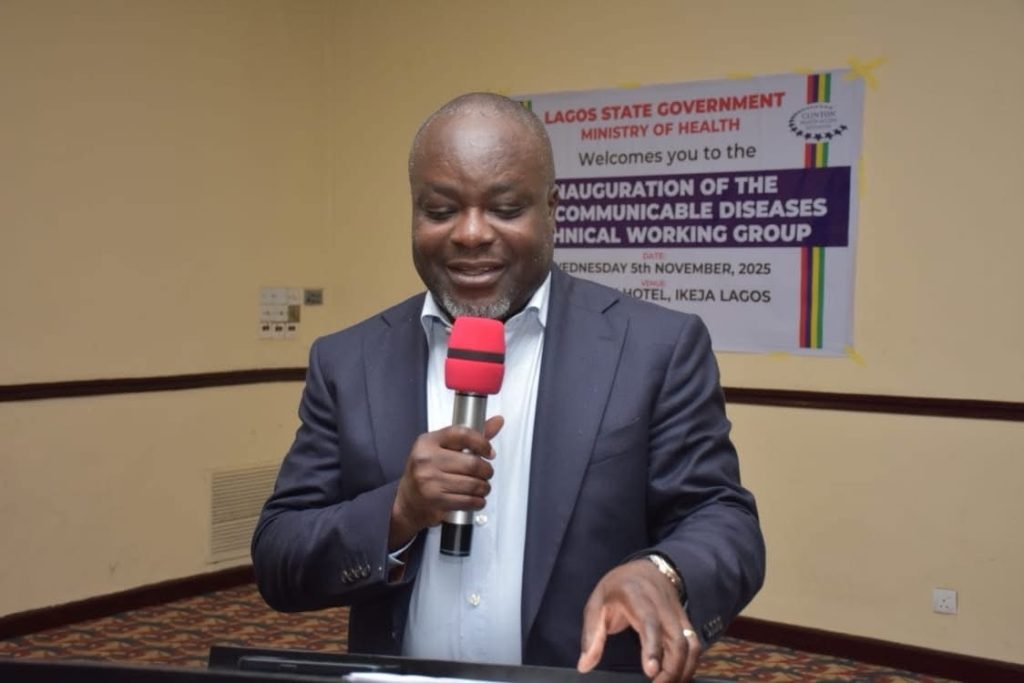
Speaking at the event, the Permanent Secretary, Lagos State Ministry of Health, Dr. Olusegun Ogboye, described the establishment of the TWG as “a significant step forward in the State’s collective efforts to address the silent yet formidable threat of NCDs.”
He noted that while Lagos had recorded remarkable progress in infectious disease control and maternal health, the rise in lifestyle-related illnesses had shifted the state’s health priorities.
“As our population grows, urbanises, and adopts new lifestyles, we are now contending with diseases that do not make dramatic entrances but claim lives silently,” Ogboye said.
According to him, NCDs account for nearly 29 per cent of all deaths in Nigeria, yet they often receive less attention compared to infectious disease outbreaks such as COVID-19 and diphtheria.
“The creation of the NCD Technical Working Group demonstrates our commitment to a coordinated, data-driven, and multi-sectoral response. We must move from reactive care to proactive prevention, from fragmented efforts to coordinated action,” he added.
Under the T.H.E.M.E.S+ Agenda, Governor Babajide Sanwo-Olu’s administration has prioritised health system strengthening through initiatives such as the Lagos State Health Scheme, LASAMBUS, and chronic disease interventions.
The TWG, coordinated by the Lagos State Ministry of Health, will guide policy development, promote health system integration, and advocate for preventive measures targeting key risk factors like tobacco use, unhealthy diets, harmful alcohol consumption, and physical inactivity. It will also oversee monitoring and evaluation mechanisms, resource mobilisation, and sustainable financing for long-term NCD control.
Dr. Victoria Egunjobi, Director of Disease Control, said the inauguration marks a shift from fragmented efforts to a unified, evidence-based approach. “Many organisations have been working independently. The TWG will consolidate these efforts and ensure sustainability,” she explained.
Egunjobi revealed that recent health outreach programmes showed nearly half of participants had high blood pressure, describing it as “a wake-up call” for Lagos and Nigeria.
In her goodwill message, Vivian Nwakolobi, Health Analyst at the Clinton Health Access Initiative (CHAI), praised the state for demonstrating leadership in prioritising NCDs, calling the inauguration “a milestone that reflects strong governance and commitment to Universal Health Coverage.” She reaffirmed CHAI’s partnership with Lagos through ongoing programmes addressing diabetes, sickle cell disease, and cervical cancer.
Also lending her voice, Dr. Somefun Esther, Gender and Reproductive Health Analyst at UNFPA, described NCDs as “a silent epidemic that remains largely preventable through coordinated action.”
Dr. Esegine Jonathan Oji, Chairman of the Association of Nigerian Private Medical Practitioners (ANPMP), Lagos Chapter, lauded the initiative, stressing the importance of continuous awareness and patient education. “We encounter patients who believe that once their drugs are finished, their illness is cured. This underscores the need for sustained health education,” he said.
Similarly, Dr. Saheed Babajide Kehinde, Chairman of the Nigerian Medical Association (NMA), Lagos State, said the initiative was long overdue and urged the TWG to focus on prevention, affordability, and early detection. “Let us prioritise key NCDs such as hypertension and diabetes and address them comprehensively,” he advised.
Other speakers, including Dr. Abosede Wellington, NCD Programme Coordinator; Dr. Akiolu Modinat, Disease Control Programme Manager at the Lagos State Primary Healthcare Board; and Dr. Zainab Salisu, Assistant Director, Medical Services/NCD Coordinator at the Lagos State Health Service Commission, applauded the state’s leadership for taking a decisive step towards coordinated, evidence-based NCD prevention and management.
Leave a Reply