Project Enable Africa in Collaboration with Jobberman and other partners Unveil AbilityX 2025, Sets Bold Agenda for the Future of Disability Inclusion in Nigeria
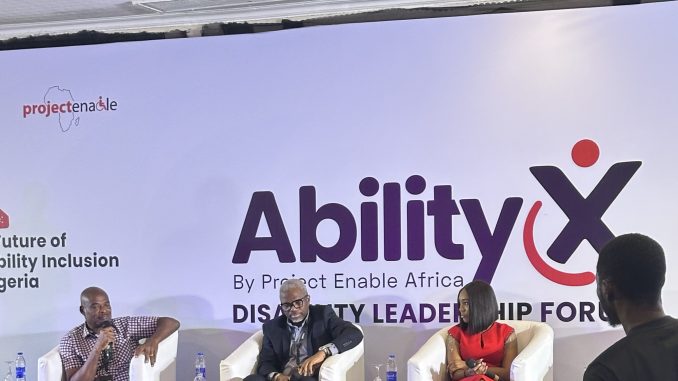
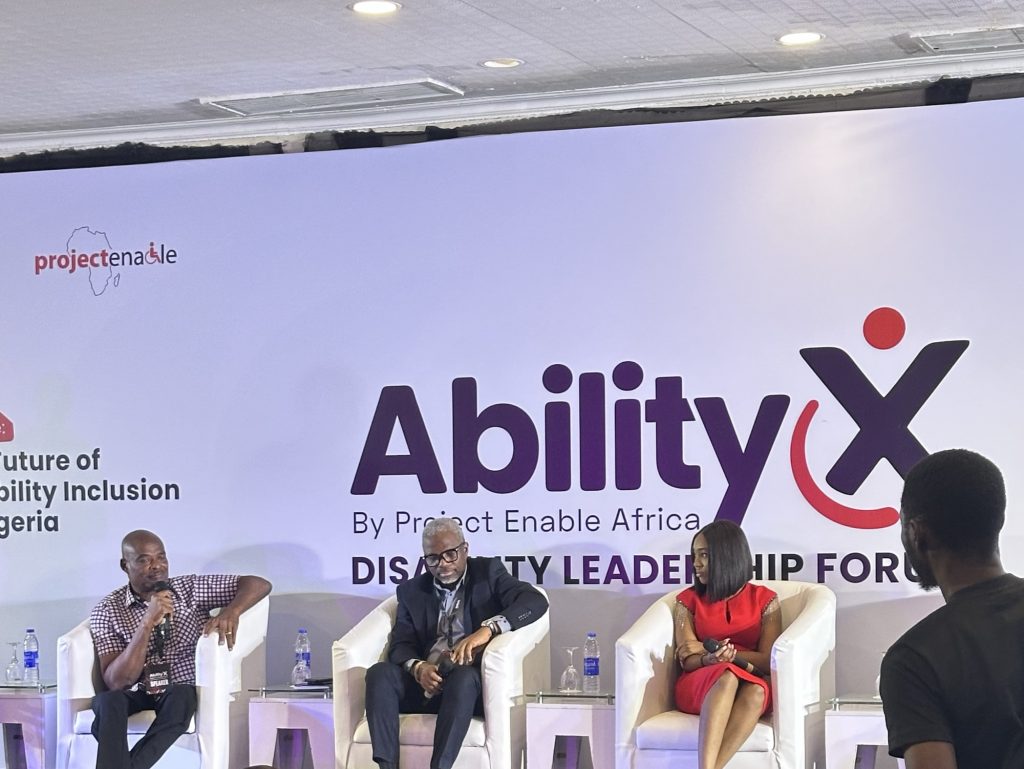
Project Enable Africa, in collaboration with Jobberman Nigeria and other strategic partners, has launched AbilityX 2025, a rebranded and forward-looking evolution of its annual Disability Inclusion and Leadership (DIAL) Forum.
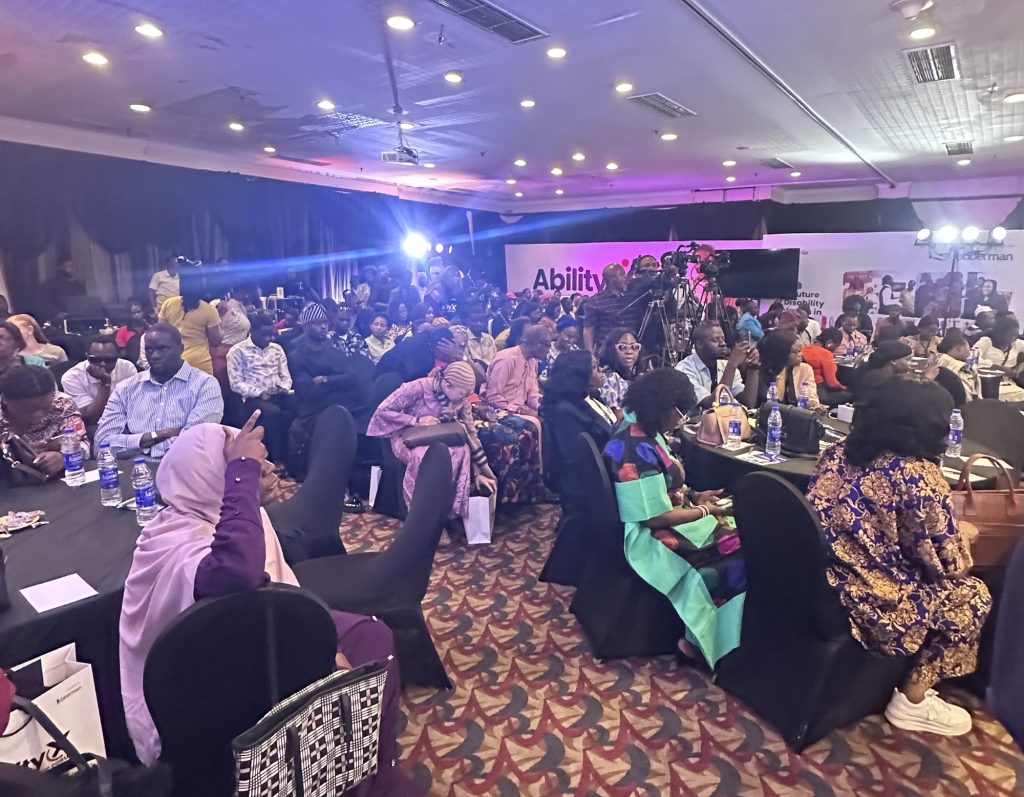
The conference, themed “The Future of Disability Inclusion in Nigeria,” positions itself as the country’s premier platform dedicated to advancing the intersection of disability, technology, data, and the future of work.
Speaking at the unveiling, the Executive Director of Project Enable Africa, Mr Olalekan Owonikoko, said the rebrand reflects a deliberate commitment to mainstream disability inclusion across all sectors of society rather than confining conversations within disability-focused communities.
“Disability inclusion is a journey, and every year we strive to take the conversation further,” he said. “Our goal with AbilityX is to bring professionals, policymakers, private sector actors and development partners together to identify sector-specific barriers and produce actionable recommendations. These collective outcomes will guide strategic interventions over the next year to significantly improve inclusion in Nigeria.”
Mr Owonikoko emphasised that the initiative is designed to be sustainable through strong partnerships. According to him, organisations supporting AbilityX are already taking concrete steps towards inclusion, and the joint action plan developed at the conference will enable partners to implement change across their respective sectors.
The Country Head of Programmes at Jobberman Nigeria, Mr. Olumide Adeleye highlighted the organisation’s efforts to equip persons with disabilities (PWDs) with digital and professional skills while also working to transform employer attitudes.
Adeyeye noted that Jobberman’s commitment to inclusion intensified after its 2020 partnership with the Mastercard Foundation, leading to updates to its digital platforms to ensure accessibility.
“We revamped our website to make it disability-compliant, including screen-reader compatibility and text descriptions for images,” she explained. “We also provide in-person support centres, call lines, WhatsApp communication channels, and inclusive training programmes, all at no cost to the beneficiaries.”
Beyond supporting talent, Jobberman is also addressing systemic barriers within workplaces.
“The challenge is not just with the talent supply; we must fix the demand,” Ms Adeyeye said. “Employers must understand that inclusion is not charity. With about 35 million persons with disabilities in Nigeria, their contribution is essential to national development.”
He added that PWDs often bring strong commitment, resilience, and loyalty to the workforce, qualities that strengthen organisational performance.
Leading Diversity, Equity and Inclusion expert, Ms Dolapo Agbede, who delivered a breakout session on the role of the media in disability-inclusive development, urged Nigerian media practitioners to prioritise accurate and respectful representation.
“Tell the truth without sensationalism,” she said. “A blind woman having a child, going to school, or getting married is not a miracle. It is normal. Focus on dignity, access and systems that support inclusion.”
Ms Agbede, who identifies as a blind woman, also highlighted long-standing structural obstacles facing Nigerians with disabilities, beginning from childhood.
She stressed that exclusion often starts in the home, where families sometimes prioritise schooling for non-disabled children due to economic constraints. Schools and universities, she added, also routinely discriminate by limiting course choices for students with disabilities, thereby shrinking their career pathways.
“When persons with disabilities overcome all these barriers to acquire education, the least we can do is employ them,” she said. “Their success becomes an inspiration to families and children across Nigeria.”
Global Context
According to the World Health Organization, over 1 billion people, about 15% of the world’s population, live with disabilities. Nigeria accounts for an estimated 35 million, many of whom encounter barriers in education, healthcare, infrastructure, and employment. Across Africa, similar challenges persist despite growing investment in digital transformation and human capital development.
The United Nations’ 2025 theme for the International Day of Persons with Disabilities, “Empowering Persons with Disabilities for a Sustainable Future,” underscores the urgency of inclusive policies aligned with the Sustainable Development Goals and the African Union’s Agenda 2063.
About AbilityX
Now in its sixth year, the annual Disability Inclusion and Leadership Forum has been reimagined as AbilityX, a community-owned and partnership-driven innovation ecosystem powered by Project Enable Africa. The 2025 edition, which will take place in Lagos, aims to accelerate inclusion across the continent by showcasing assistive technology, promoting data-driven policy reform, and advancing inclusive economic opportunities.
AbilityX seeks to strengthen cross-sector collaboration, celebrate inclusion champions, and position persons with disabilities as leaders in Africa’s digital and economic transformation.
Leave a Reply